Getting things ready…

Activity collection

Visit sights & museums

Landmarks, museums, exhibitions and scenic places chosen for seeing and learning.

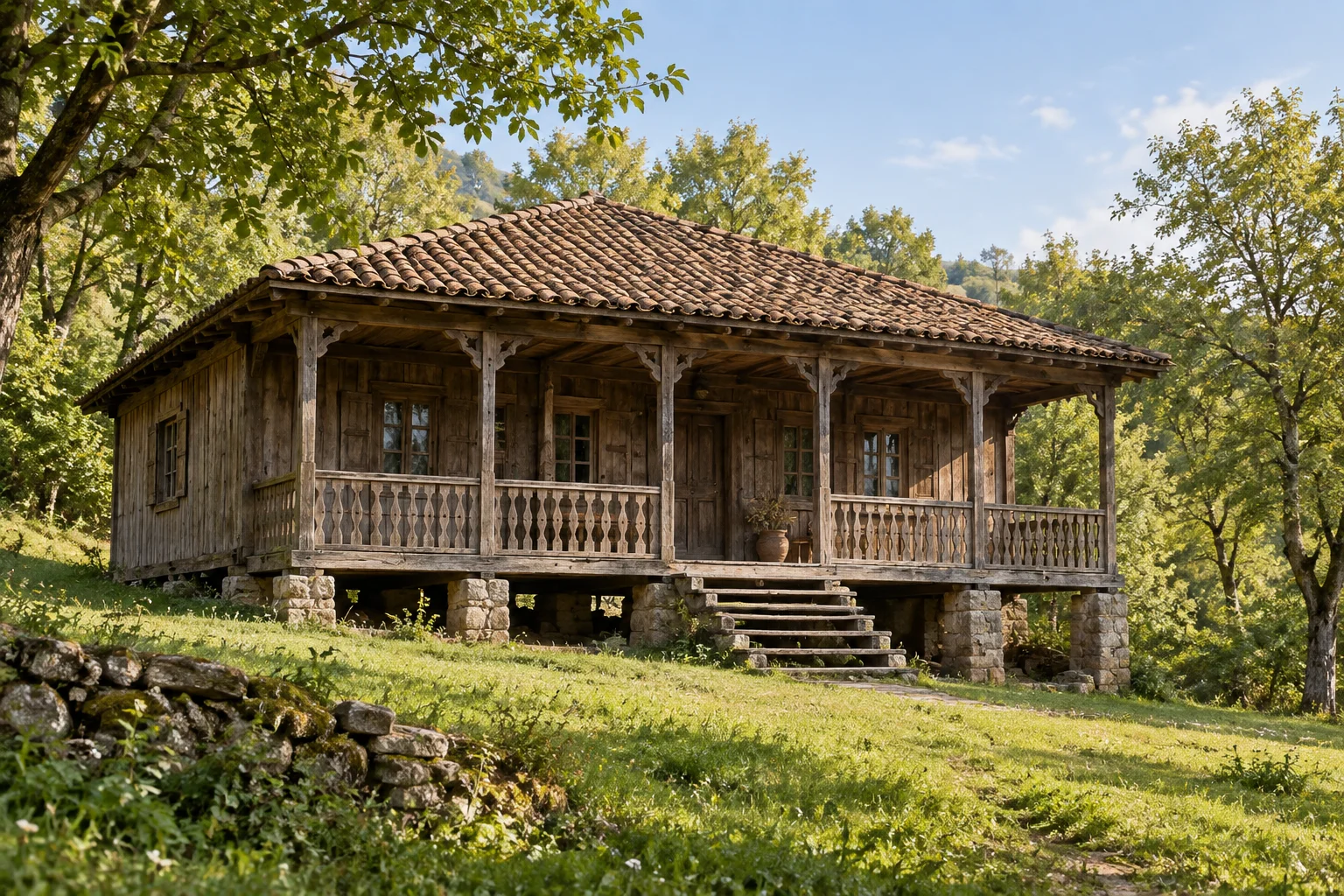
AI illustration of a traditional Georgian wooden houseAI illustration
AI-generated illustration of a traditional Georgian house, not a photograph of the museum.
Ethnographical MuseumTbilisi’s Giorgi Chitaia Open-Air Museum of Ethnography brings regional ways of building and living into one outdoor collection. Opened in 1966, it contains original structures brought from different parts of Georgia and reassembled on the museum grounds. Houses are shown alongside spaces associated with everyday work, storage and village life, making this a useful place to look beyond the capital’s urban architecture. Rather than trying to see every building, choose a few houses and compare their materials, layouts and surrounding yards. Think about how a home and its working spaces fit together. This is a visit to a museum collection, not an inhabited village; which interiors can be entered and which demonstrations or guided explanations are available should be checked at the entrance.
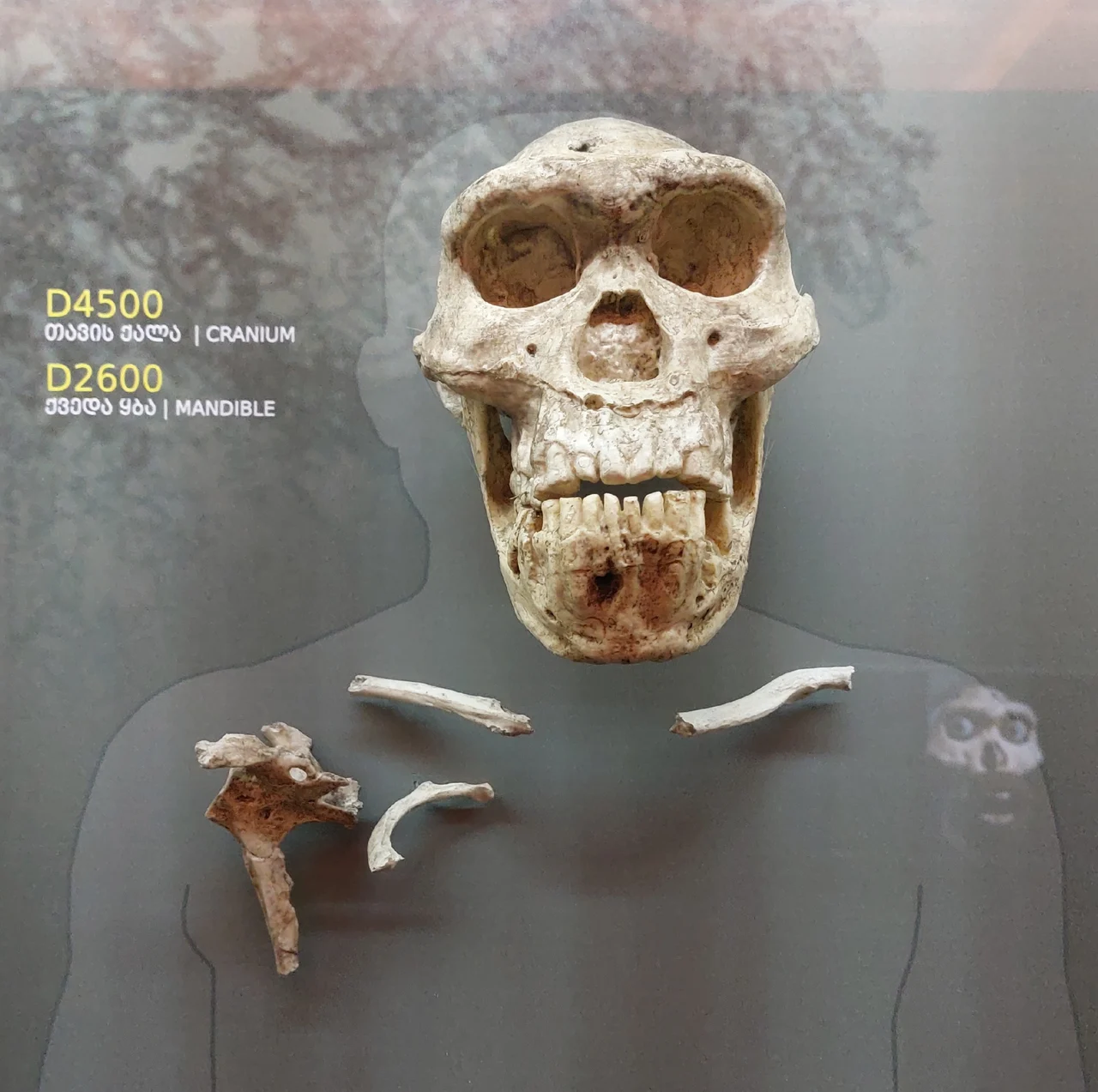
Dmanisi hominin skull and mandible displayed at the Simon Janashia Museum of Georgia
Georgian National MuseumThe Simon Janashia Museum of Georgia at 3 Shota Rustaveli Avenue brings together archaeology, history and natural history, offering a broad introduction to the country through objects and exhibitions. It is one branch of the Georgian National Museum network, so information for another museum in the network—or for the nearby National Gallery—should not be assumed to apply here. The operator currently lists opening hours of 10:00–18:00 from Tuesday to Sunday, with last entry at 17:30, and closure on Mondays and official holidays. Check the branch page again before visiting because temporary closures and the exhibitions on view can change. A focused visit to a few galleries is more realistic than trying to cover every collection at once. Current admission, step-free access, photography rules and visitor facilities should be confirmed separately.
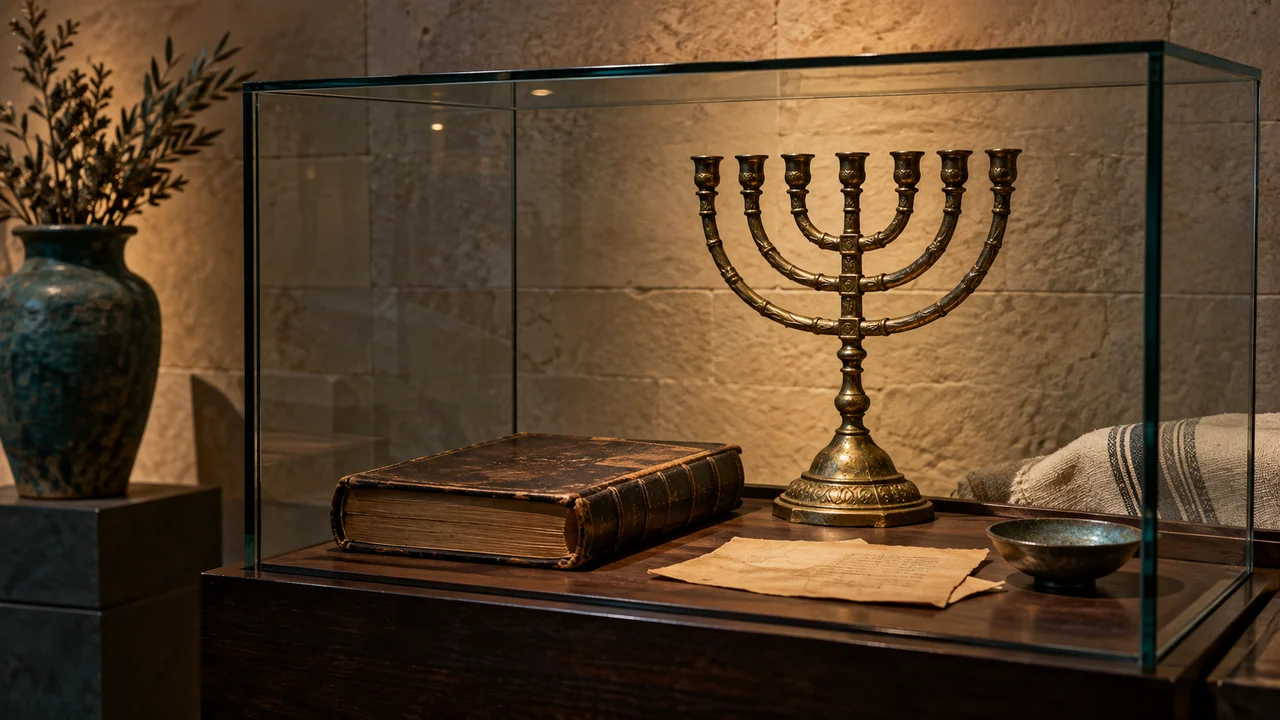
AI illustration of a Jewish history museum displayAI illustration
AI illustration of Jewish history, not a photograph of the David Baazov Museum or its exhibits.
David Baazov Historical and Ethnographic Museum of Georgian JewsThe David Baazov Museum examines the history of Jewish life in Georgia and relations between Georgian and Jewish communities. Founded in 1932 in Tbilisi’s Kala district, it occupies a domed building associated with an earlier synagogue. Ethnographic expeditions in 1933–1936 helped assemble a large collection that includes clothing, ritual objects, photographs, accessories, paintings and graphic works. Displays can add historical context to the Jewish landmarks elsewhere in the Old Town. Plan this as a museum visit only after confirming that it is open on your chosen day. Exhibitions rotate, so no particular object should be promised. Check hours, tickets, language support, guided visits and photography rules directly with the museum before travelling. The route through the domed building, lift availability, toilets, seating and step-free access have not been verified.
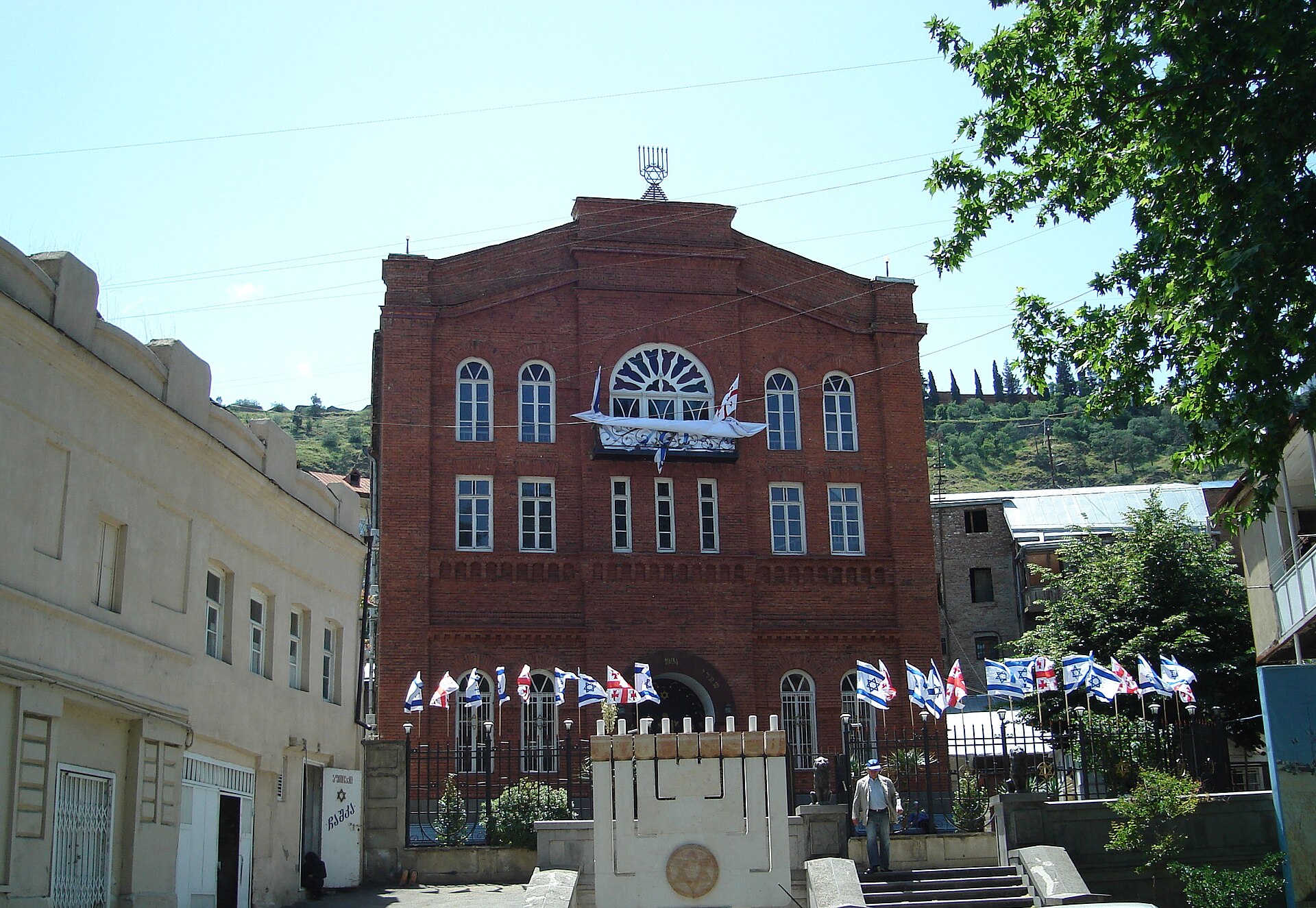
The Great Synagogue in Old Tbilisi
Great Synagogue of TbilisiThe Great Synagogue connects a walk along Kote Abkhazi Street with Tbilisi’s living Jewish heritage. The official tourism site describes an active Sephardic synagogue in a two-storey red-brick building oriented south toward Jerusalem. Following reconstruction in 2009, the building contains prayer and celebration halls, a traditional women’s gallery and the central teba used during prayer. It is a functioning community institution, not simply a historic interior. Treat any visit as entry to a place of worship. Services, holidays and security needs can change public access without notice, and exterior viewing may be the only appropriate option. Confirm arrangements directly with the community before going, dress respectfully and follow instructions at the entrance. Photography, bags, donations, toilets, group access and a step-free route have not been verified.
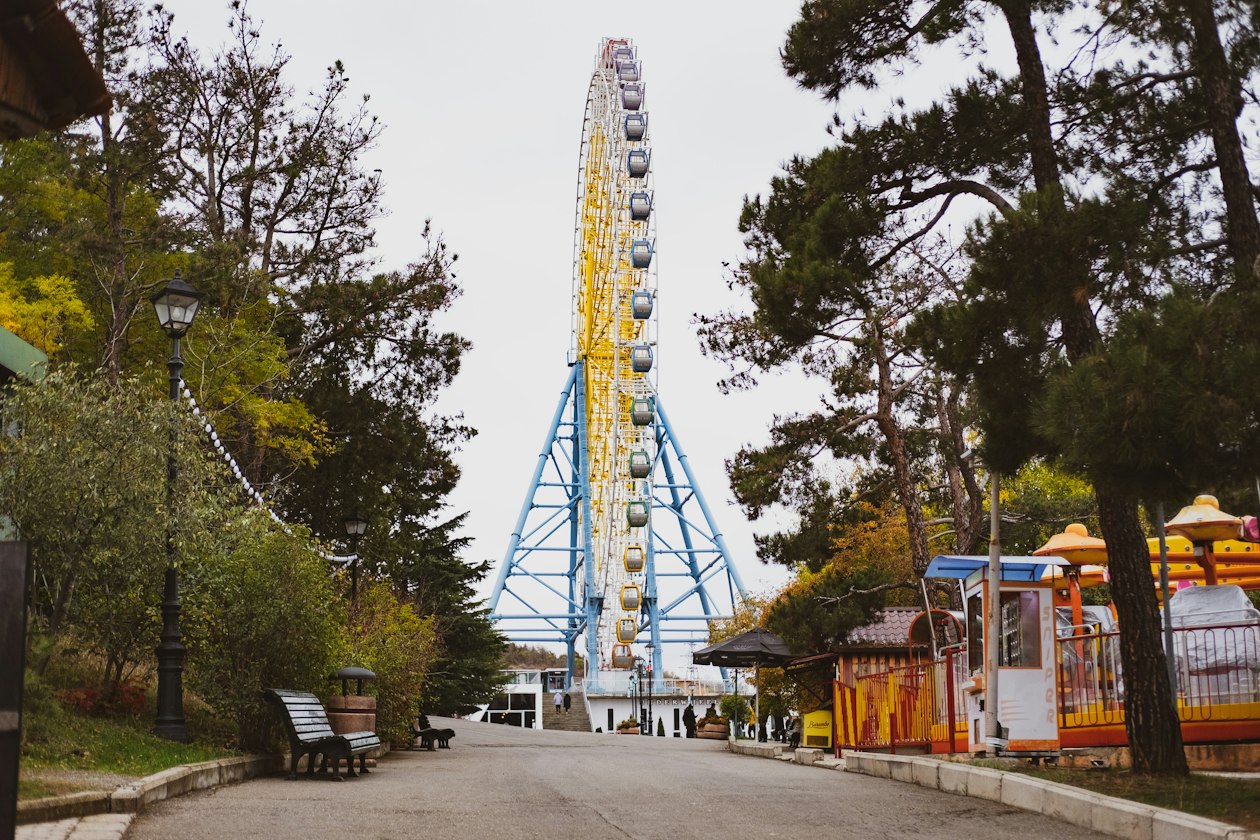
A path and Ferris wheel in Mtatsminda Park
Mtatsminda ParkMtatsminda Park combines views over Tbilisi with rides, cafés and spaces for a quieter stroll. Its fountains and green areas provide a different setting from the streets below, while the large Ferris wheel is a recognizable feature of the mountain skyline. Visitors can focus on the panorama, explore the park on foot or include some of its amusements. The journey up also connects with the city’s history: the funicular first opened in 1905 and links Chonkadze Street with the upper mountain. For a first visit, a walk and time at the viewpoints make a useful starting point; rides or a meal can be added according to your interests. Plan transport and individual activities separately from time spent walking through the park.
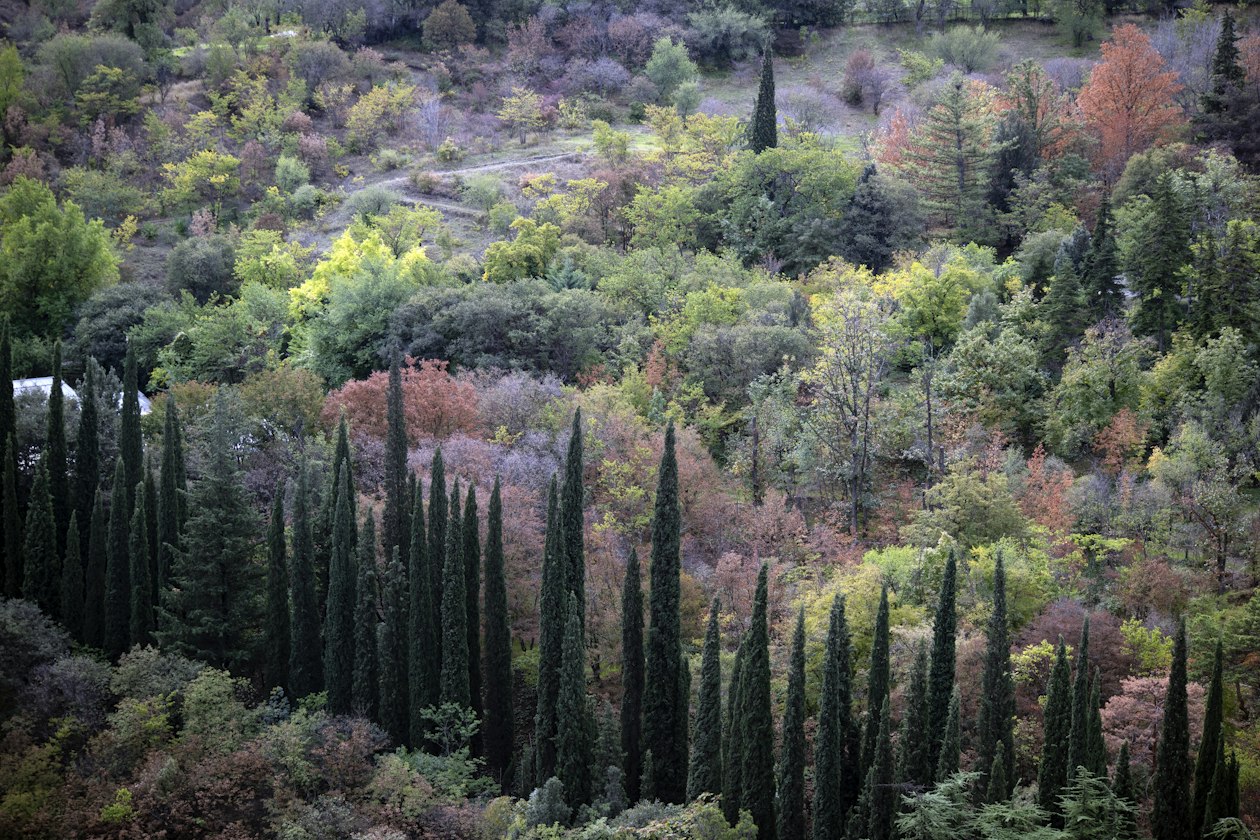
Wooded slopes in Tbilisi’s National Botanical Garden
National Botanical GardenThe National Botanical Garden unfolds through a green gorge above Old Tbilisi, with paths following the Tsavkisistskali River between planted collections and steep slopes. The official tourism site describes more than 3,500 plant species, a waterfall and a wooden bridge dating from 1898. The main gate is listed at 1 Botanikuri Street, making the garden a substantial nature visit rather than a quick viewpoint. Choose a route that matches your available time and mobility, because distances and gradients can matter more than they appear on a map. The zipline ending in the garden is a separate paid activity, not part of ordinary admission. Opening hours, ticket prices, waterfall conditions, guided-tour availability and step-free routes can change, so confirm them with the garden before setting out.
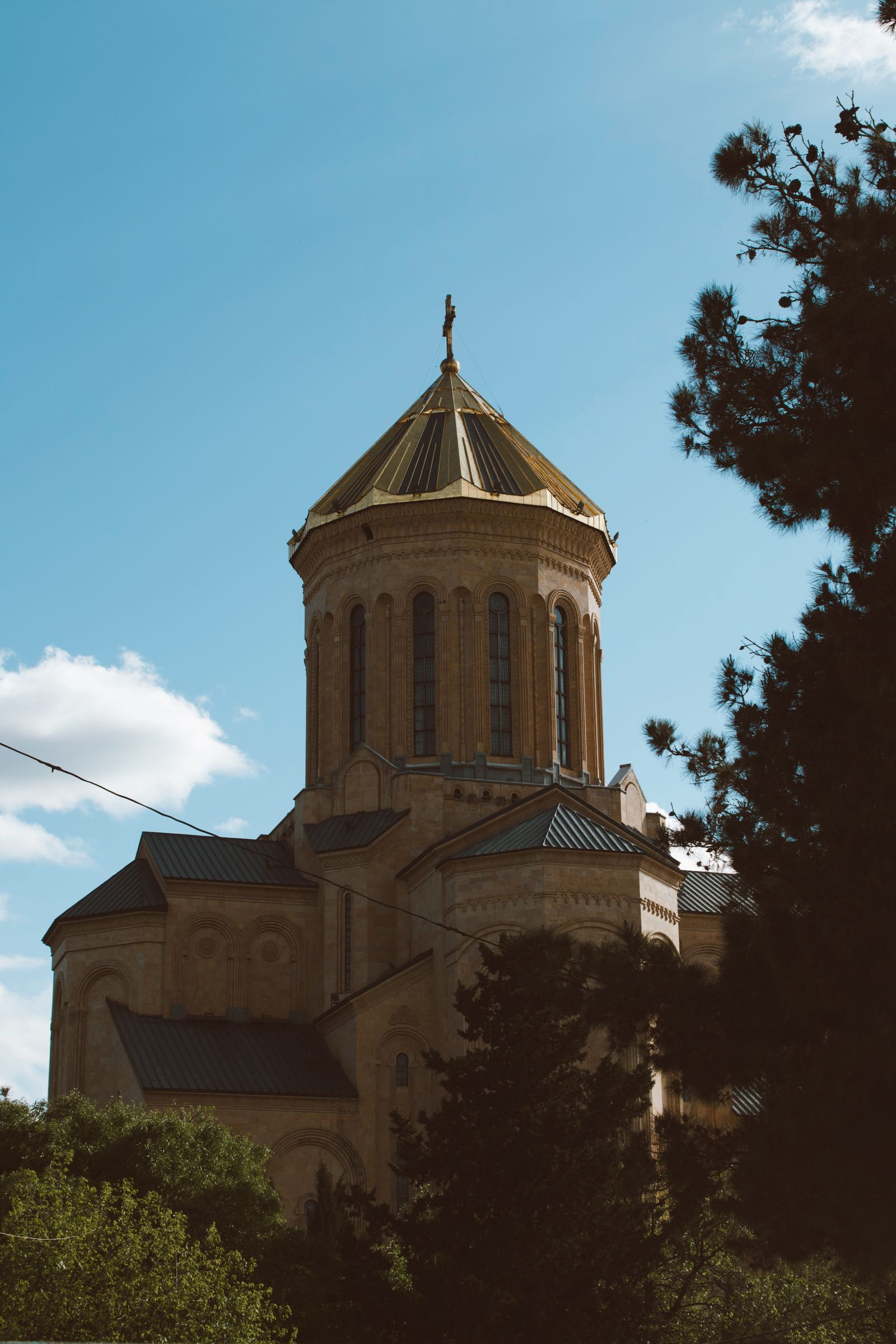
Holy Trinity Cathedral (Sameba) beneath a blue sky
Holy Trinity Cathedral of TbilisiHoly Trinity Cathedral, commonly called Sameba, rises on Elia Hill and is visible from much of central Tbilisi. Construction began in 1996 and was completed in 2004 to a design by Georgian architect Archil Mindiashvili. The complex combines above-ground and underground spaces with several churches, while the main dome and golden cross give the cathedral its distinctive place in the city skyline. Approach it as an active Georgian Orthodox place of worship as well as a modern landmark. Begin outside to understand the scale of the complex before entering any area open to visitors. Services and religious activity take priority, so keep voices low and follow instructions on site. Confirm current opening arrangements, dress expectations, photography rules, donations and step-free access when you arrive.
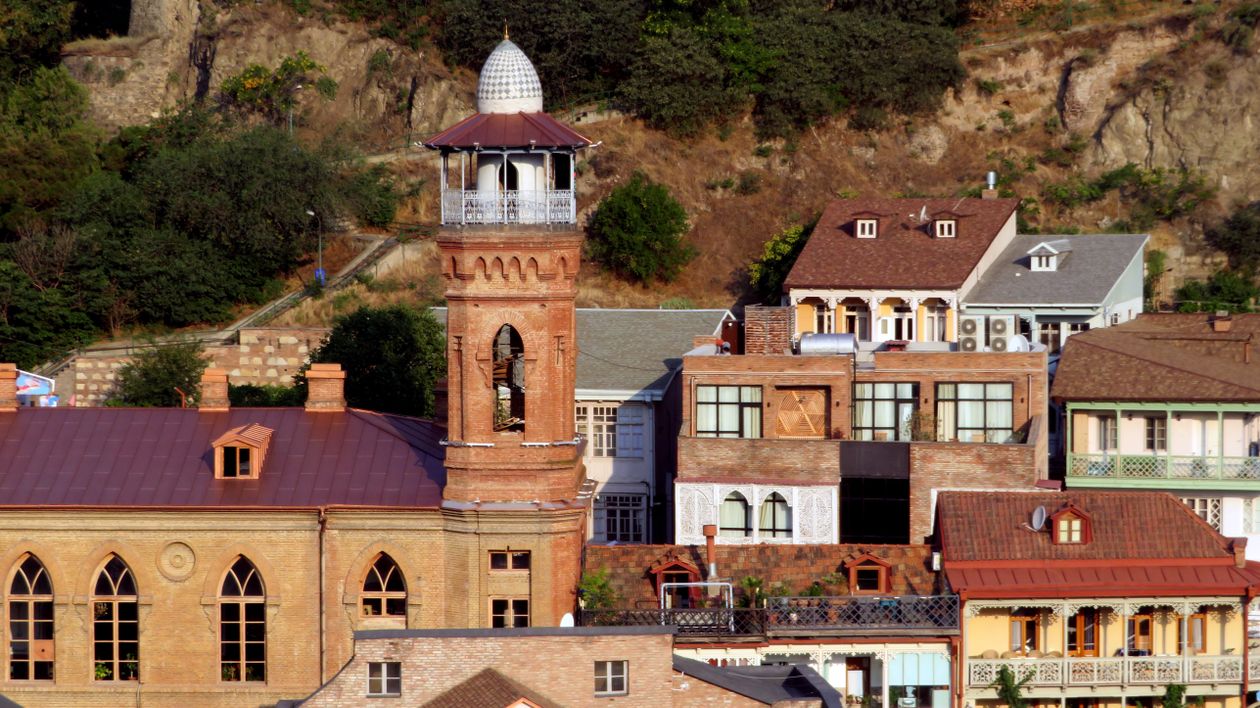
Juma Mosque and its minaret in Old Tbilisi
Juma MosqueJuma Mosque stands in Old Tbilisi below Narikala, close to the Botanical Garden. The site reflects several periods of construction and rebuilding: an Ottoman mosque was established here in the eighteenth century, followed by later restoration and replacement. The present mosque has two mihrabs and is used by both Sunni and Shia worshippers, making it an important part of the city’s continuing Muslim life. This is one canonical place, even though English sources alternate between “Juma” and “Jumah.” Visit respectfully and do not treat prayer time as a tourist opening window. Confirm current access directly on site, dress modestly, remove shoes where instructed and avoid photographing people without permission. Prayer schedules, interior access for visitors, donations, toilets and a step-free route have not been verified.
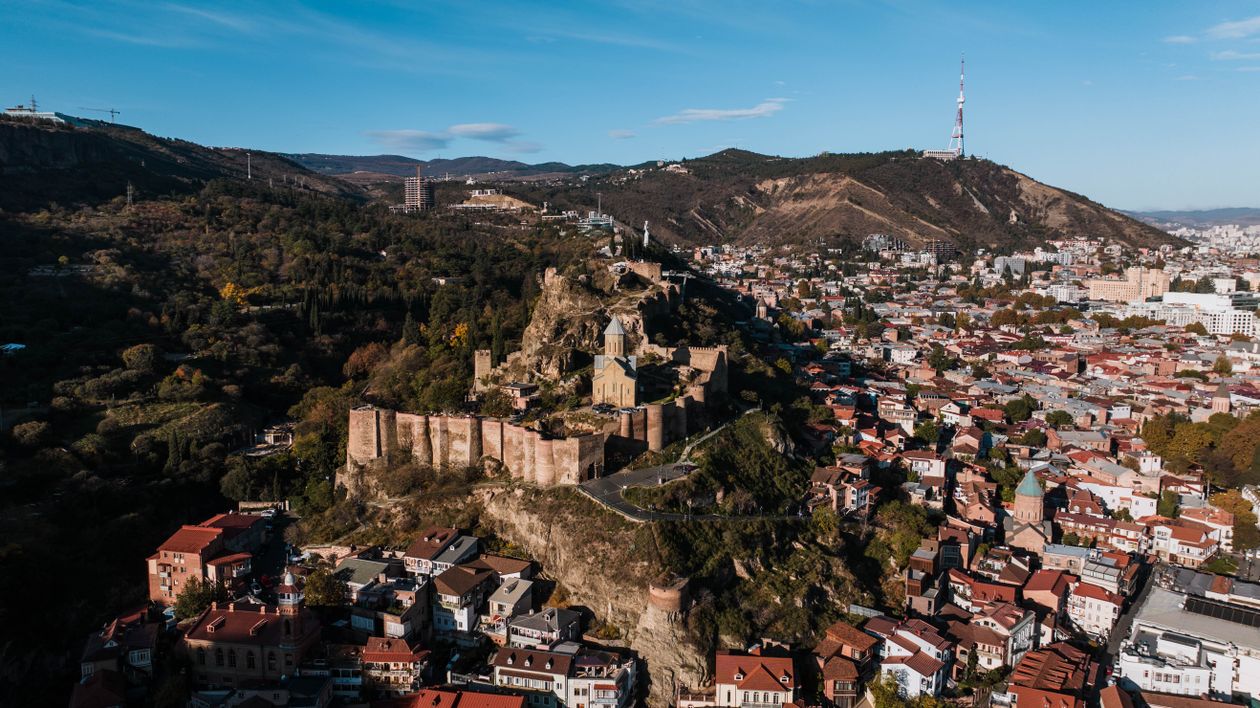
Narikala Fortress above Old Tbilisi
NarikalaNarikala crowns the ridge above Old Tbilisi and has long shaped the city’s skyline. Within the fortress stands St Nicholas Church: the earlier thirteenth-century church was almost destroyed after the site had been used as a munitions store, and the present church was built in 1997 on its surviving base and walls. The ridge gives broad views over the historic centre, but the monument is best understood as a layered archaeological and religious site rather than a single viewpoint. Access can change around historic walls, steep paths and restoration areas. Do not climb masonry, cross barriers or treat an unguarded edge as a viewing platform. The cable car is a separate operator and must be checked independently. Confirm current pedestrian access, church opening, services, dress and photography rules on arrival. Surface condition, toilets and step-free routes have not been verified.
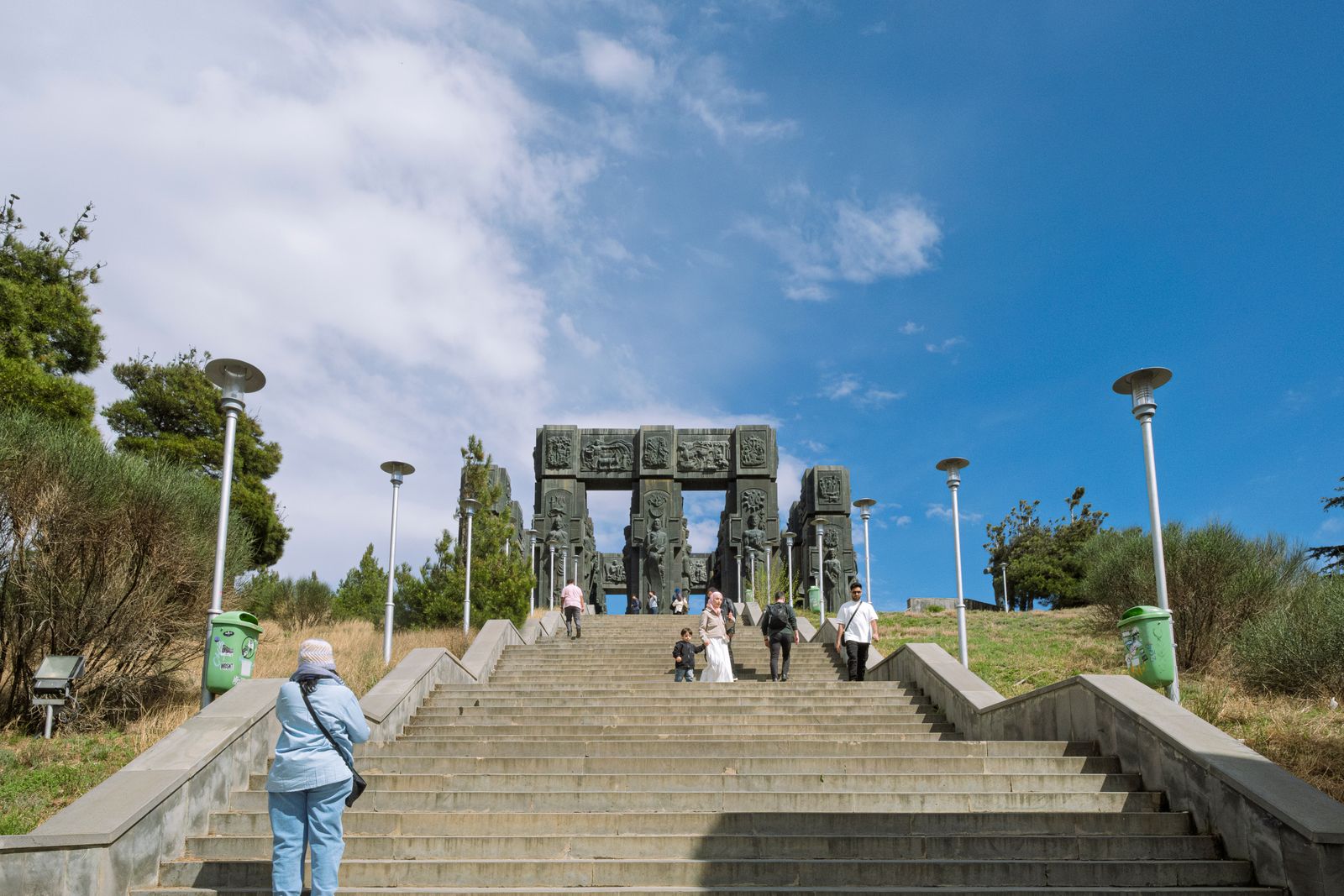
The Chronicle of Georgia above its broad staircase
Chronicles of GeorgiaThe Chronicles of Georgia rises on Keeni Mountain in Tbilisi’s Temka area as a dense arrangement of monumental stone pillars. Created in 1980 by sculptor Zurab Tsereteli, the reliefs bring together rulers, writers, saints and scenes from Georgian history, literature and Christian tradition. The scale is best understood by walking around the composition and looking up at individual panels, while the hillside also opens broad views across the surrounding city and reservoir area. This is an exposed hilltop site rather than a managed indoor attraction. Access roads, drop-off points, lighting and the condition of stairs or paving can change, so confirm the approach before leaving and plan the return as carefully as the arrival. Do not climb the monument or cross barriers. The nearby church is a separate active religious space. Toilets, staffed security and step-free access have not been verified.