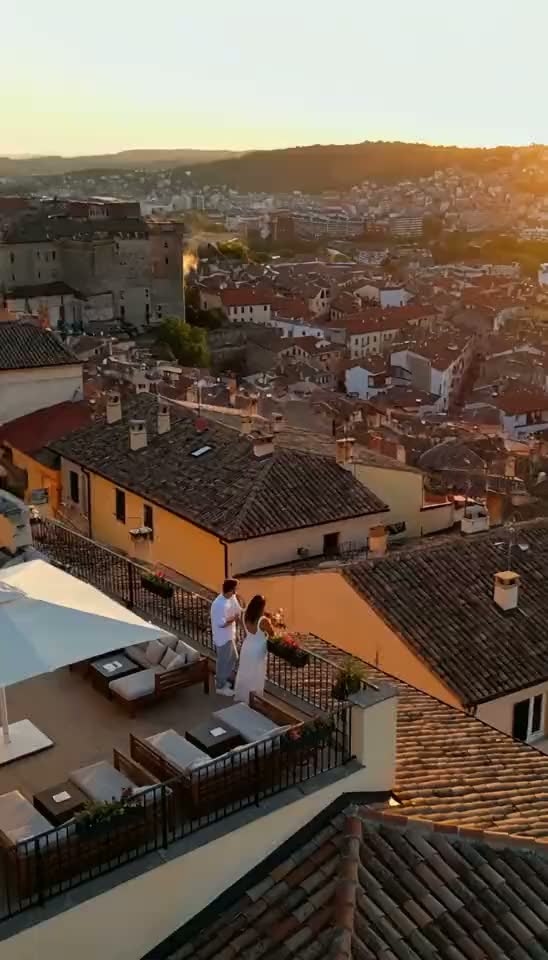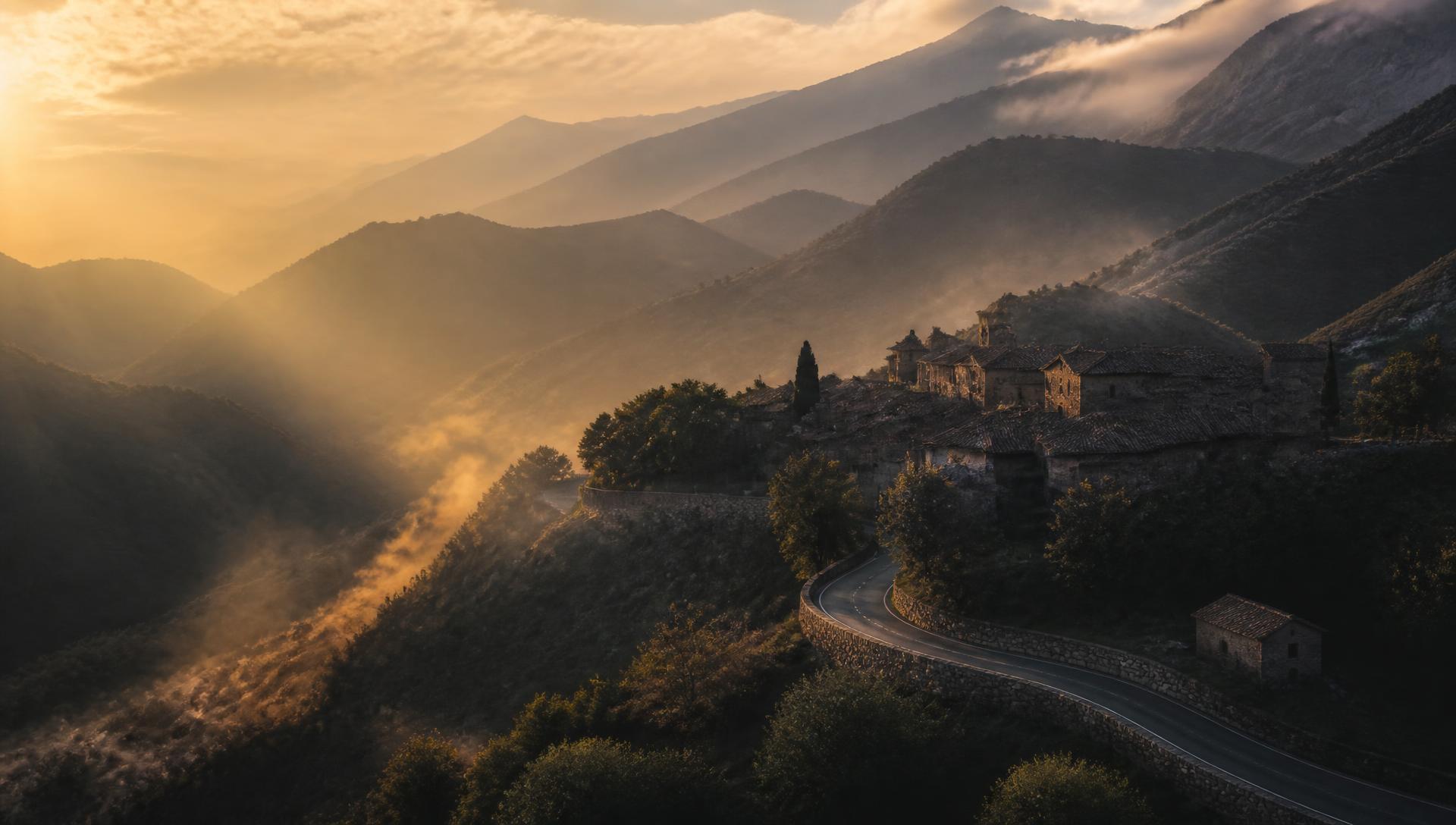
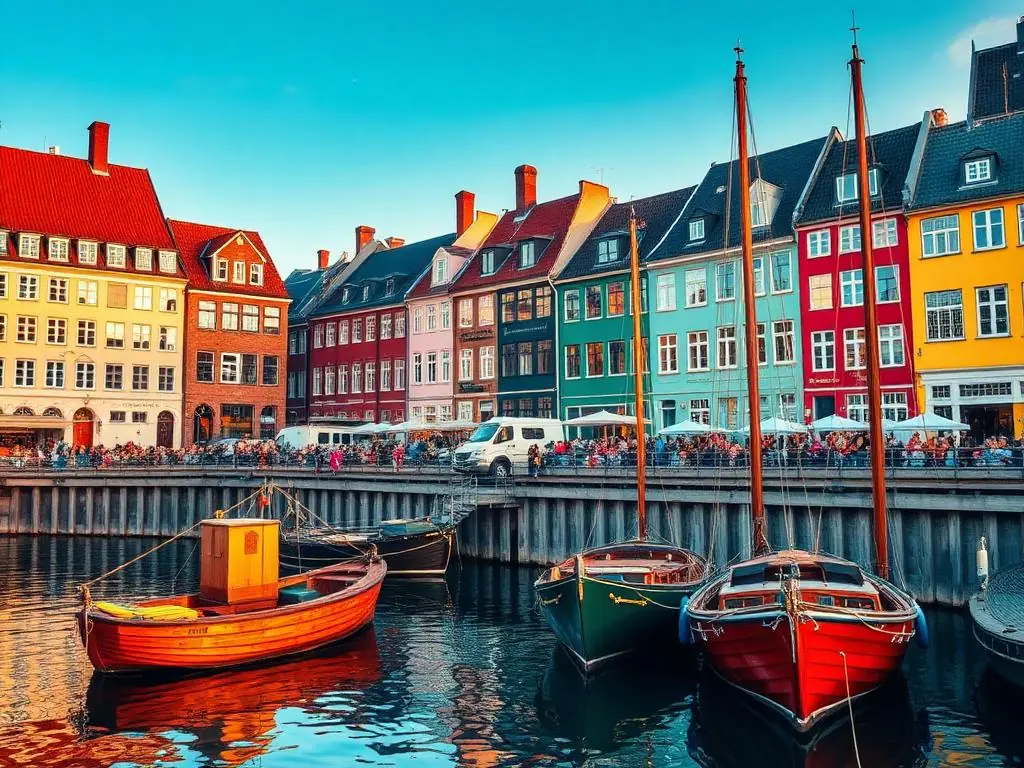
Denmark landscape

Home/Denmark

CopenhagenDKK krDanishUTC-04:00Type C/E/F/K

Plan your trip

Everything you need for Denmark, step by step

Tap a stage of your trip — we'll show the categories that matter right then.

Sort the paperwork, lock the flights, land already connected.

Your trip plan

Land in Denmark like you already know the place

A three-step plan from your couch to your first coffee in town. Each phase shows what locals actually use.

  1. Before you go

    1–2 weeks ahead — sort the basics from home.

  2. When you land

    First hour at the airport — get connected and moving.

  3. While you're there

    Once you're settled — eat, explore, enjoy.

Help the next traveler — earn points

Rate apps you used, write a tip, climb the Denmark leaderboard.

See leaderboard

Essentials in Denmark

One tap to install — straight from the locals' shortlist.

Say it like a local — Denmark

Essential phrases in the local language. Tap the speaker to hear it.

About Denmark

About Denmark: Denmark is a Nordic country located in Northern Europe, bordering Germany to the south and surrounded by the North Sea and the Baltic Sea.

Denmark is a Nordic country located in Northern Europe, bordering Germany to the south and surrounded by the North Sea and the Baltic Sea. It comprises the Jutland Peninsula and numerous islands, with Copenhagen, its capital, situated on the island of Zealand. The country is known for its flat landscapes, extensive coastline, and a high quality of life. Travelers to Denmark often include those interested in Scandinavian design, history, cycling, and a relaxed, hygge-inspired lifestyle. Families, solo travelers, and couples all find appeal in its safe and efficient environment. The best time to visit for generally mild weather and longer daylight hours is during the summer from June to August, although spring and early autumn offer pleasant conditions with fewer crowds. Winter can be cold and dark but offers unique experiences like Christmas markets. Denmark is considerably expensive, aligning with other Nordic nations. Accommodation, dining, and transportation costs are high compared to many other European countries, which visitors should budget for. Getting around Denmark is efficient. Inter-city travel is primarily by train, operated by DSB, or by bus. Major cities and towns are well-connected by a reliable public transport network. Within cities, bicycles are a dominant mode of transport, and comprehensive cycling infrastructure is present. Public transport in cities like Copenhagen includes trains, metro, and buses, all integrated and easily accessible. Payments are overwhelmingly cashless. Credit and debit cards are accepted almost everywhere, from large stores to small cafes and even many street vendors. Mobile payment solutions like MobilePay are also widely used; travelers without a Danish bank account may find it challenging to use these apps directly, but card payments cover most needs. Cash is rarely necessary, and many places prefer not to handle it. Tipping is not generally expected beyond rounding up a small amount for good service in restaurants, as service charges are usually included in the price. For connectivity, eSIMs are widely supported by local providers, making it easy to get data access without a physical SIM card. Driving is on the right side of the road. Roads are well-maintained, but be aware of numerous cyclists, especially in urban areas. Speed limits are strictly enforced. Danish is the official language, but English proficiency is very high across the country, especially among younger generations and in tourist-heavy areas. You will find that most Danes can communicate fluently in English, making travel easy for English speakers. Denmark is a very safe country with low crime rates. Petty theft can occur in crowded tourist areas, so standard precautions like keeping an eye on belongings are advisable, but violent crime is rare. Tap water is safe to drink everywhere and is of excellent quality. Regarding quirks, opening hours for shops, especially outside of Copenhagen, can be shorter than in other European countries, often closing earlier on weekdays and having reduced hours on weekends. Many smaller shops may close entirely on Sundays. A strong sense of punctuality is common. There are no particular common scams targeting tourists beyond what one might encounter in any major city. Denmark experiences four distinct seasons, with summers being mild and winters being cold, windy, and often dark due to short daylight hours. Layers of clothing are recommended for most of the year. Being aware of the cashless nature and the prevalence of digital solutions, such as apps for transport, will enhance your experience.

Browse by category

Every category that locals in Denmark use day-to-day.

Some links may be affiliate or partner links. We may earn a commission at no extra cost to you.