
Czech Republic landscape

Home/Czech Republic

Flag of Czech Republic

Best apps in Czech Republic

PragueCZK KčCzech, SlovakUTC+01:00Type C/E

Plan your trip

Everything you need for Czech Republic, step by step

Tap a stage of your trip — we'll show the categories that matter right then.

Sort the paperwork, lock the flights, land already connected.

Your trip plan

Land in Czech Republic like you already know the place

A three-step plan from your couch to your first coffee in town. Each phase shows what locals actually use.

  1. Before you go

    1–2 weeks ahead — sort the basics from home.

  2. When you land

    First hour at the airport — get connected and moving.

  3. While you're there

    Once you're settled — eat, explore, enjoy.

Help the next traveler — earn points

Rate apps you used, write a tip, climb the Czech Republic leaderboard.

See leaderboard

Essentials in Czech Republic

One tap to install — straight from the locals' shortlist.

Say it like a local — Czech Republic

Essential phrases in the local language. Tap the speaker to hear it.

About Czech Republic

About Czech Republic: The Czech Republic is a landlocked Central European country, bordered by Germany to the west, Poland to the northeast, Slovakia to the southeast, and Austria to the south.

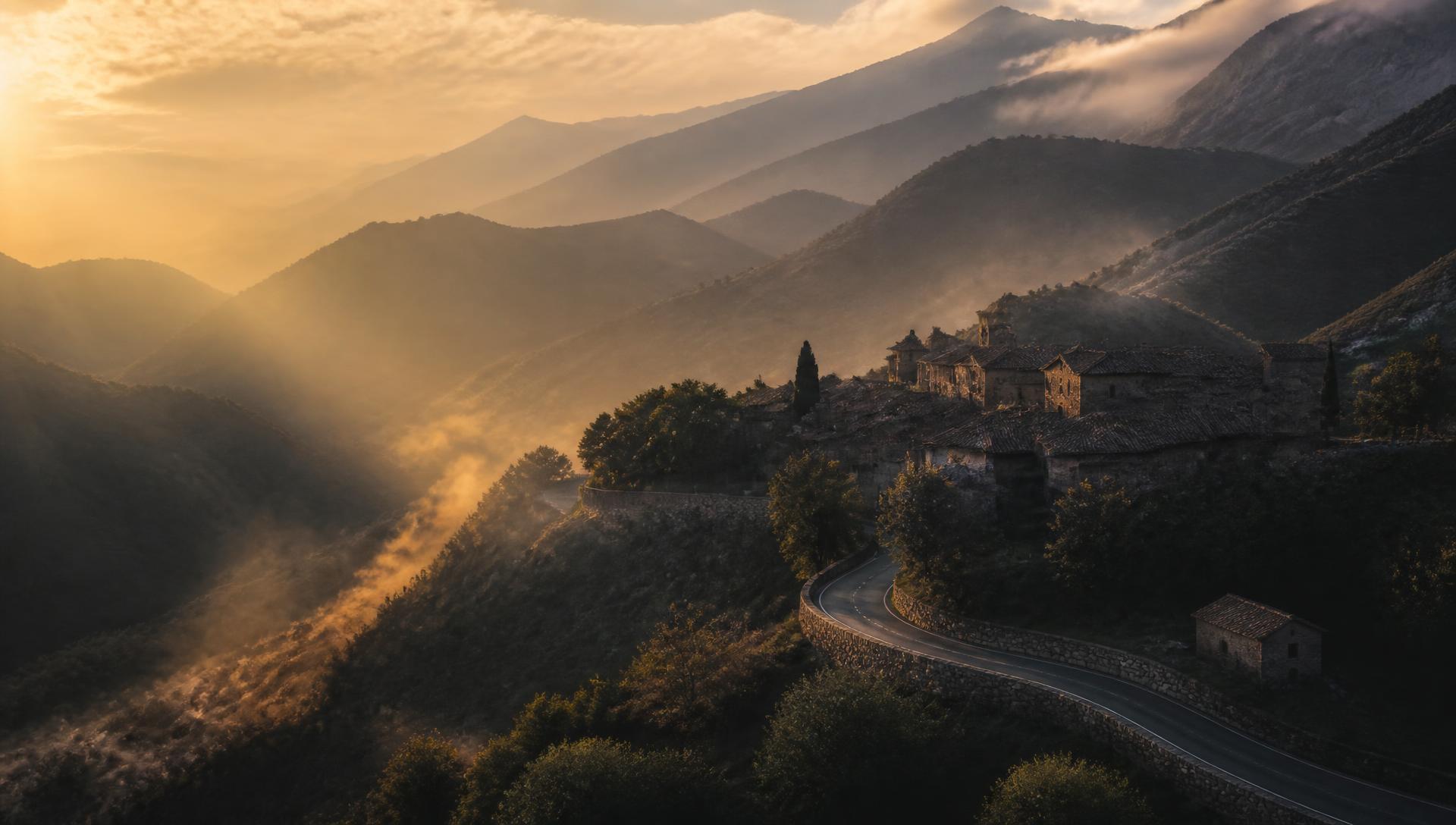
The Czech Republic is a landlocked Central European country, bordered by Germany to the west, Poland to the northeast, Slovakia to the southeast, and Austria to the south. It is known for its rich history, diverse architecture, and picturesque landscapes ranging from mountains to rolling hills. Visitors are typically drawn to its historic cities like Prague, Český Krumlov, and Kutná Hora, often keen on exploring centuries-old castles, cathedrals, and charming town squares. Beyond urban exploration, the country offers opportunities for hiking, cycling, and enjoying its numerous spas. The country attracts a wide range of travelers, from budget backpackers to those seeking luxury experiences, though it’s particularly popular with cultural tourists and those interested in European history. Its affordability compared to Western Europe also makes it attractive. The best time to visit is during the spring (April to May) or early autumn (September to October) when the weather is pleasant, and tourist crowds are thinner than in the peak summer months. Winter, especially December, is popular for Christmas markets, though temperatures can be frigid. Overall, the Czech Republic offers a moderate cost of living and travel, generally more affordable than countries like France or Germany, but more expensive than some countries further east in Europe. Prague, as the capital, is typically the most expensive city within the country. A mid-range budget can allow for comfortable travel, including accommodation, dining, and activities, without excessive spending. Within cities, public transportation is highly efficient and widely used. Prague boasts an extensive metro, tram, and bus system, all easily accessible with tickets purchased from vending machines or mobile apps. Other major cities also have good tram and bus networks. For intercity travel, trains and long-distance buses are reliable and affordable. Czech Railways (České dráhy) operates an extensive rail network, connecting most towns and cities. FlixBus and RegioJet are popular bus operators for both domestic and international routes, offering comfortable coaches with amenities. Renting a car is an option, but navigating historical city centers can be challenging due to narrow streets, pedestrian zones, and limited parking. Road quality is generally good, but vigilance is required, especially on smaller roads. When paying, credit and debit cards are widely accepted in most urban areas, hotels, restaurants, and larger shops. However, it's advisable to carry some Czech koruna (CZK) cash for smaller purchases, local markets, or establishments in more rural areas, as well as for unexpected situations. Tipping is customary in restaurants for good service, typically around 10-15%, often rounded up. For SIM cards, local providers like Vodafone, O2, and T-Mobile offer prepaid options for travelers. eSIMs are also readily available from these providers and can be purchased and activated online or in-store, offering convenient connectivity. The official language is Czech, a West Slavic language, and Slovak is also understood by many, especially older generations. English proficiency varies; it is generally good among younger people and those working in the tourism and hospitality sectors, particularly in Prague and other major tourist destinations. However, learning a few basic Czech phrases like "Dobrý den" (good day), "Děkuji" (thank you), and "Prosím" (please/you're welcome) will be appreciated. The Czech Republic is generally a safe country with low crime rates. However, pickpocketing is a concern in crowded tourist areas, particularly in Prague, so exercise caution with your belongings. Tap water is safe to drink throughout the country. Regarding local customs, Czechs value politeness and punctuality. When entering a shop or restaurant, a simple "Dobrý den" is customary. Stores and businesses typically operate from around 9 AM to 6 PM, with shorter hours on Saturdays and many shops closed on Sundays, especially outside of major retail districts. Supermarkets, however, often have longer hours. Keep in mind that some restaurants might close their kitchens earlier than their overall operating hours. Weather can be quite variable; summers can be warm to hot with occasional thunderstorms, while winters are cold, often with snow, especially in mountainous regions. Be prepared for temperature fluctuations if traveling during shoulder seasons. Common scams, though not widespread, include overcharging for taxis without meters and unsolicited street performers demanding payment. It's always wise to agree on a price beforehand or use ride-sharing apps.

Browse by category

Every category that locals in Czech Republic use day-to-day.

Some links may be affiliate or partner links. We may earn a commission at no extra cost to you.