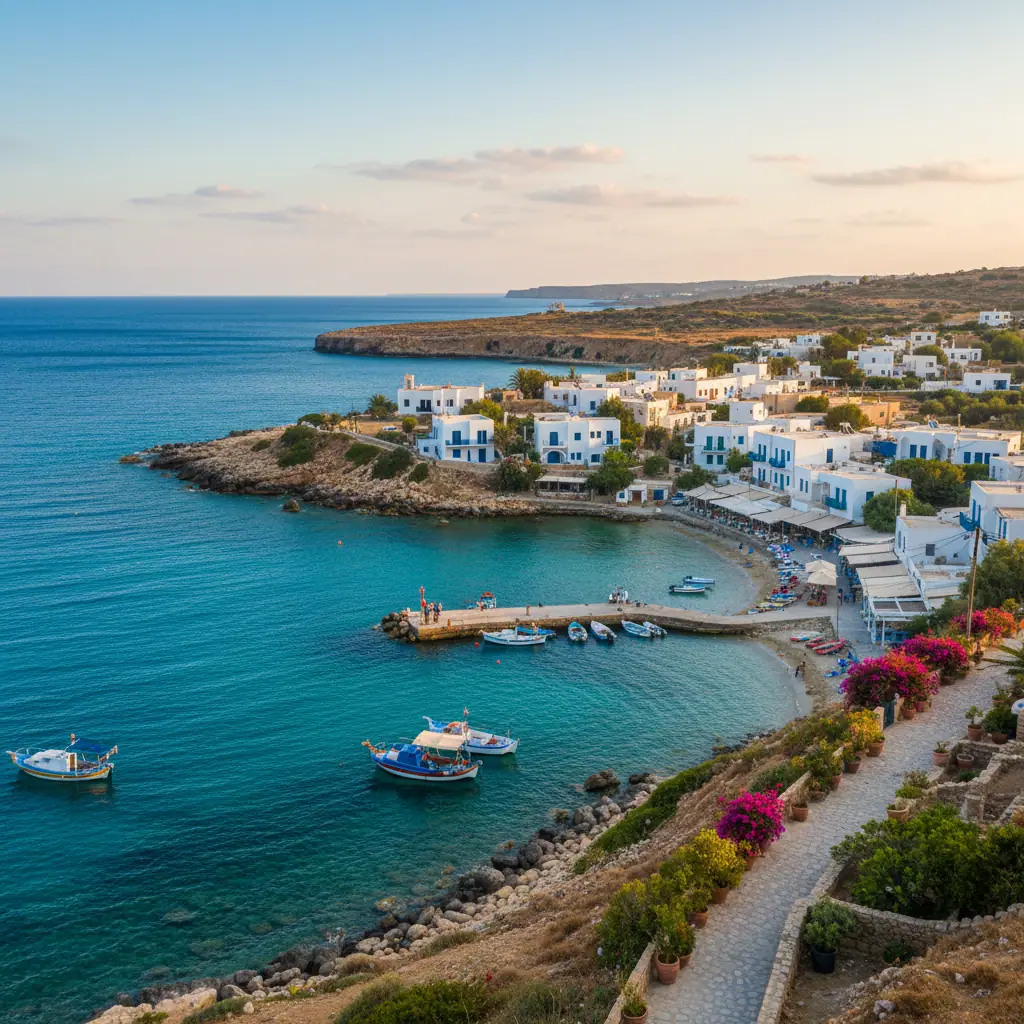
Cyprus landscape

Home/Cyprus

NicosiaEUR €Greek, TurkishUTC+02:00Type G

Plan your trip

Everything you need for Cyprus, step by step

Tap a stage of your trip — we'll show the categories that matter right then.

Sort the paperwork, lock the flights, land already connected.

Your trip plan

Land in Cyprus like you already know the place

A three-step plan from your couch to your first coffee in town. Each phase shows what locals actually use.

  1. Before you go

    1–2 weeks ahead — sort the basics from home.

  2. When you land

    First hour at the airport — get connected and moving.

  3. While you're there

    Once you're settled — eat, explore, enjoy.

Help the next traveler — earn points

Rate apps you used, write a tip, climb the Cyprus leaderboard.

See leaderboard

Essentials in Cyprus

One tap to install — straight from the locals' shortlist.

Say it like a local — Cyprus

Essential phrases in the local language. Tap the speaker to hear it.

About Cyprus

About Cyprus: Cyprus is an island nation located in the eastern Mediterranean Sea, south of Turkey and west of Syria.

Cyprus is an island nation located in the eastern Mediterranean Sea, south of Turkey and west of Syria. It is characterized by its sunny climate, beaches, and ancient historical sites. The country is split into the internationally recognized Republic of Cyprus in the south and the Turkish Republic of Northern Cyprus in the north, which is only recognized by Turkey. Most visitors come for coastal resorts, historical exploration, or to enjoy the Mediterranean lifestyle. It attracts families, couples, and expatriates seeking a warm climate. The best time to visit is during the shoulder seasons of April to June and September to November, when the weather is warm but not excessively hot, and the crowds are smaller than in peak summer. July and August are very hot, with temperatures often exceeding 35°C (95°F). Winter from December to March is mild, especially on the coast, but inland mountains receive snow. Cyprus is moderately expensive compared to other Mediterranean destinations, comparable to southern European countries like Greece or Spain. Accommodation and dining in tourist areas can be pricey, but local tavernas and markets offer more affordable options. The official currency is the Euro (€). Intercity travel in Cyprus is primarily by bus or car. The public bus network connects major cities and some villages, with intercity services typically reliable but less frequent than in larger European countries. Within cities, local buses are available, but many tourists and residents opt for taxis or ride-hailing apps for convenience. Major credit and debit cards are widely accepted in shops, restaurants, and hotels, especially in tourist areas and cities. However, carrying some cash is advisable for smaller purchases, rural areas, and some local markets. Tipping is customary but not mandatory; a 10% tip is appreciated in restaurants for good service, and rounding up taxi fares is common. For connectivity, local SIM cards are readily available from providers like Cytamobile-Vodafone, EPIC, and PrimeTel at airports, shops, and kiosks. eSIM options are also increasingly supported by these providers, offering convenience for short-term visitors. Driving in Cyprus is on the left-hand side of the road, similar to the UK. Roads are generally well-maintained, but some rural roads can be narrow and winding. Rental cars are a popular option for exploring the island independently. The main official languages are Greek and Turkish due to the island's divided history. In the Republic of Cyprus, Greek is prevalent, while Turkish is used in the north. English is widely spoken in tourist areas, hotels, and larger cities, so visitors generally face no communication barriers. Road signs are often in both Greek and English. Cyprus is generally a safe country with low crime rates. However, standard precautions against petty theft, especially in crowded tourist spots, are advisable. The tap water is safe to drink throughout the Republic of Cyprus, though bottled water is also readily available and preferred by some for taste. Many shops and businesses observe a siesta period, typically from 1 PM to 4 PM, especially in smaller towns and during summer, when they might close for a few hours. Opening hours can vary, so it's wise to check ahead. Common scams are rare but can include overcharging by unregistered taxis or inflated prices in very touristy areas, so always confirm fares beforehand. Weather extremes include very hot summers that can lead to heatwaves, making sun protection and hydration essential. Winters are mild but can bring heavy rainfall, particularly from December to February.
Map ready when in view
CyprusOpen in Google Maps ↗

Browse by category

Every category that locals in Cyprus use day-to-day.

Some links may be affiliate or partner links. We may earn a commission at no extra cost to you.