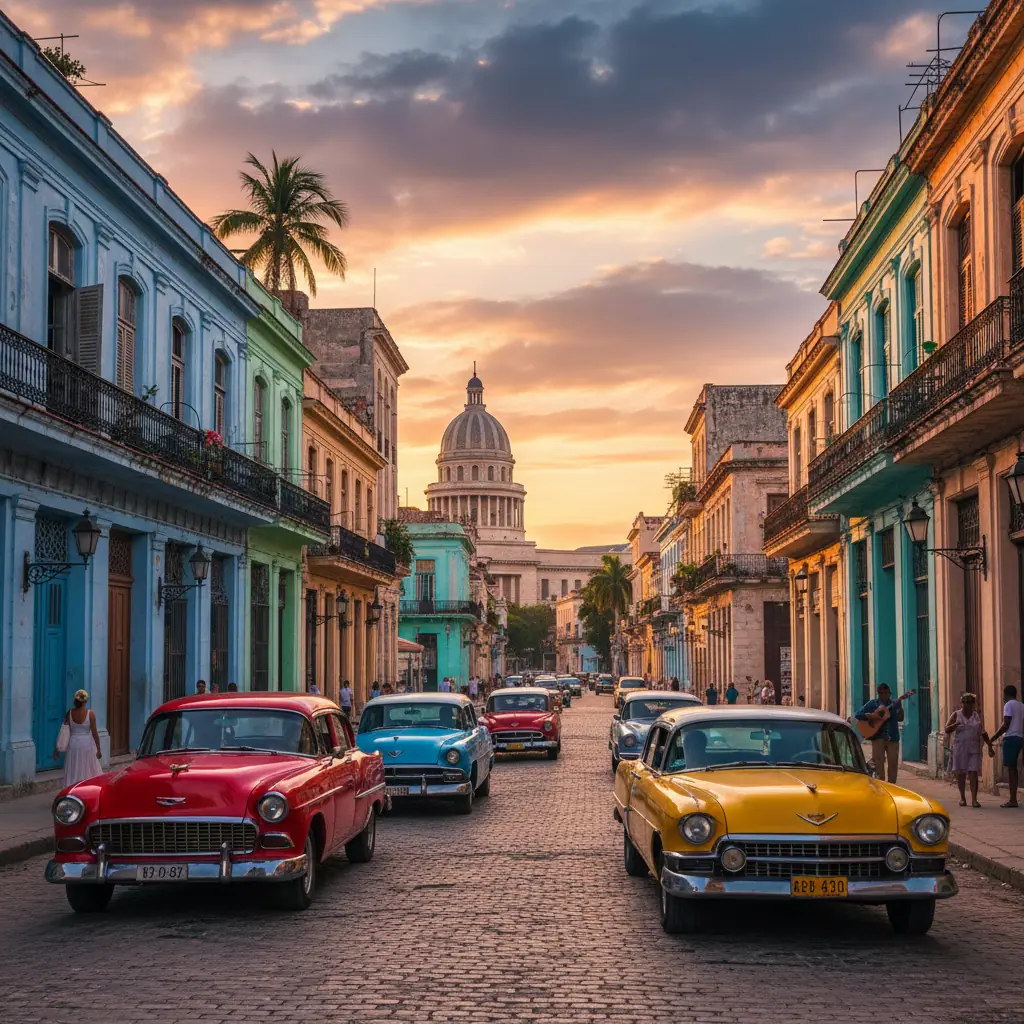
Cuba landscape

Home/Cuba

HavanaCUC $SpanishUTC-05:00Type A/B/C/L

Plan your trip

Everything you need for Cuba, step by step

Tap a stage of your trip — we'll show the categories that matter right then.

Sort the paperwork, lock the flights, land already connected.

Your trip plan

Land in Cuba like you already know the place

A three-step plan from your couch to your first coffee in town. Each phase shows what locals actually use.

  1. Before you go

    1–2 weeks ahead — sort the basics from home.

  2. When you land

    First hour at the airport — get connected and moving.

  3. While you're there

    Once you're settled — eat, explore, enjoy.

Help the next traveler — earn points

Rate apps you used, write a tip, climb the Cuba leaderboard.

See leaderboard

Essentials in Cuba

One tap to install — straight from the locals' shortlist.

Say it like a local — Cuba

Essential phrases in the local language. Tap the speaker to hear it.

About Cuba

About Cuba: Cuba is an island nation located in the Caribbean, south of Florida.

Cuba is an island nation located in the Caribbean, south of Florida. It operates under a socialist system, which significantly influences daily life and the economy. Travelers are typically tourists interested in its history, culture, music, and classic cars, as well as those seeking beach resorts. Digital nomads or longer-term residents often face challenges due to limited internet access and economic restrictions. The best time to visit is during the dry season, from November to April, to avoid hurricanes and heavy rainfall. The cost of living and travel in Cuba can vary. While some government-run services are inexpensive, private accommodations and certain imported goods can be quite costly. Travelers should budget carefully as unpredictable availability of goods and services can affect expenses. Expect a higher cost level than some other Latin American countries, particularly for imported items and services catering to tourists. Intercity travel in Cuba often involves Viazul buses, which are popular with tourists, or private taxis, sometimes shared. Within cities, options include local buses, which can be crowded, classic shared taxis (almendrones), and private taxis. Payment in Cuba primarily relies on cash. While some tourist-oriented hotels and restaurants may accept international credit or debit cards, their use is not widespread and unreliable. It is essential to carry sufficient cash, preferably USD or Euros, which can be exchanged for local currency. The official exchange rate is often unfavorable; many transactions occur at informal, more advantageous rates. Tipping is customary and expected for a wide range of services, including restaurant staff, taxi drivers, hotel porters, and musicians. SIM cards are available but require local registration and can be expensive with limited data plans. eSIMs are not commonly supported. Driving in Cuba can be challenging due to poorly maintained roads, limited signage, and various hazards such as pedestrians, cyclists, and livestock. Rental cars are available but often costly and come with high insurance requirements. The main language in Cuba is Spanish. English proficiency varies, with higher levels found in tourist areas like Havana and resort towns, but it is not universally spoken. Learning some basic Spanish phrases is highly recommended. Cuba is generally safe for travelers, though petty crime like pickpocketing can occur in crowded areas. It’s advisable to be aware of your surroundings and avoid displaying obvious wealth. Tap water is typically not safe to drink; bottled water should be consumed exclusively, and ice in drinks should be avoided unless confirmed to be made from purified water. A quirky aspect of Cuban life is the often unpredictable operating hours for shops and services, particularly outside of major tourist zones. Availability of goods can also be inconsistent. Customs are generally warm and hospitable. Be wary of common scams such as inflated prices for tourists or individuals offering unsolicited "help" at bus stations or attractions, who may then demand payment. Weather extremes include hurricanes during the wet season (June to November), which can disrupt travel plans and pose safety risks. Power outages are also a frequent occurrence, even in urban areas.
Map ready when in view
CubaOpen in Google Maps ↗

Browse by category

Every category that locals in Cuba use day-to-day.

Some links may be affiliate or partner links. We may earn a commission at no extra cost to you.