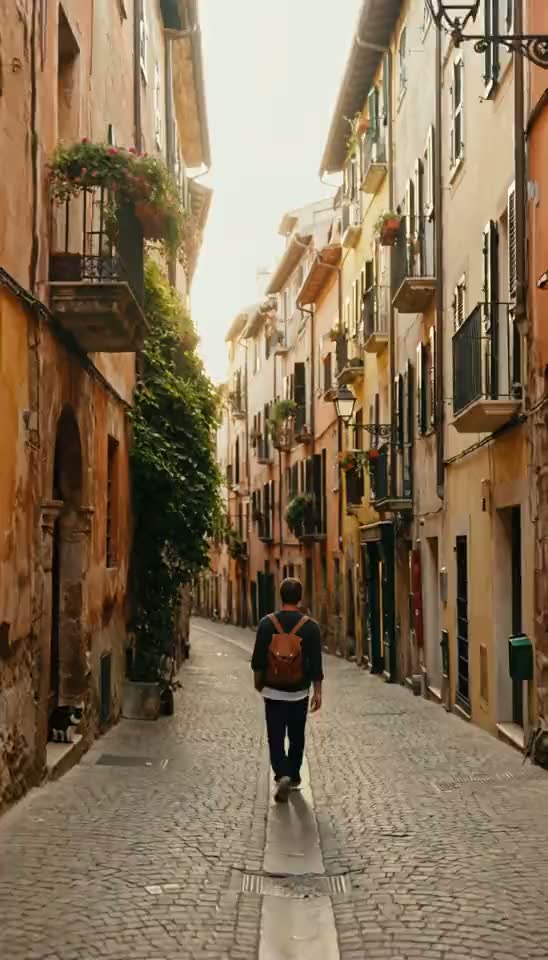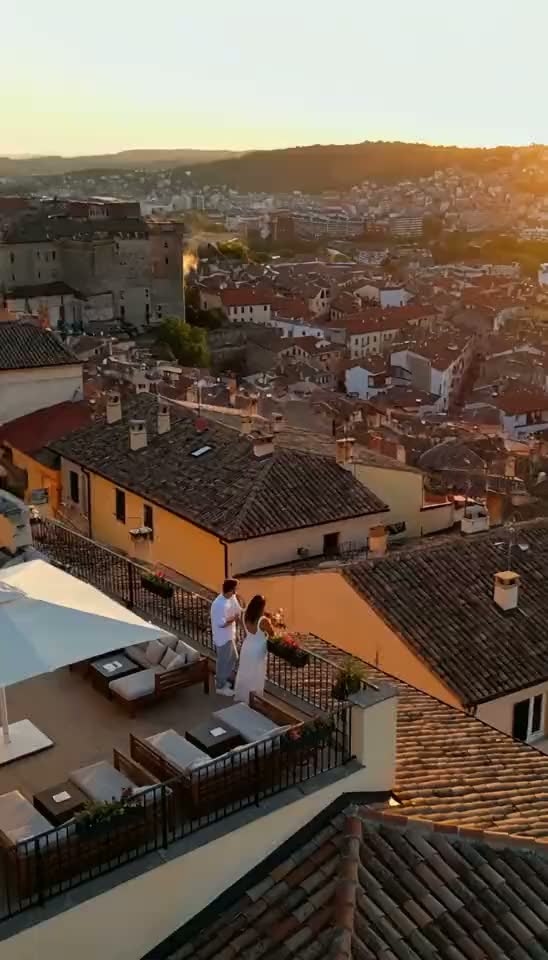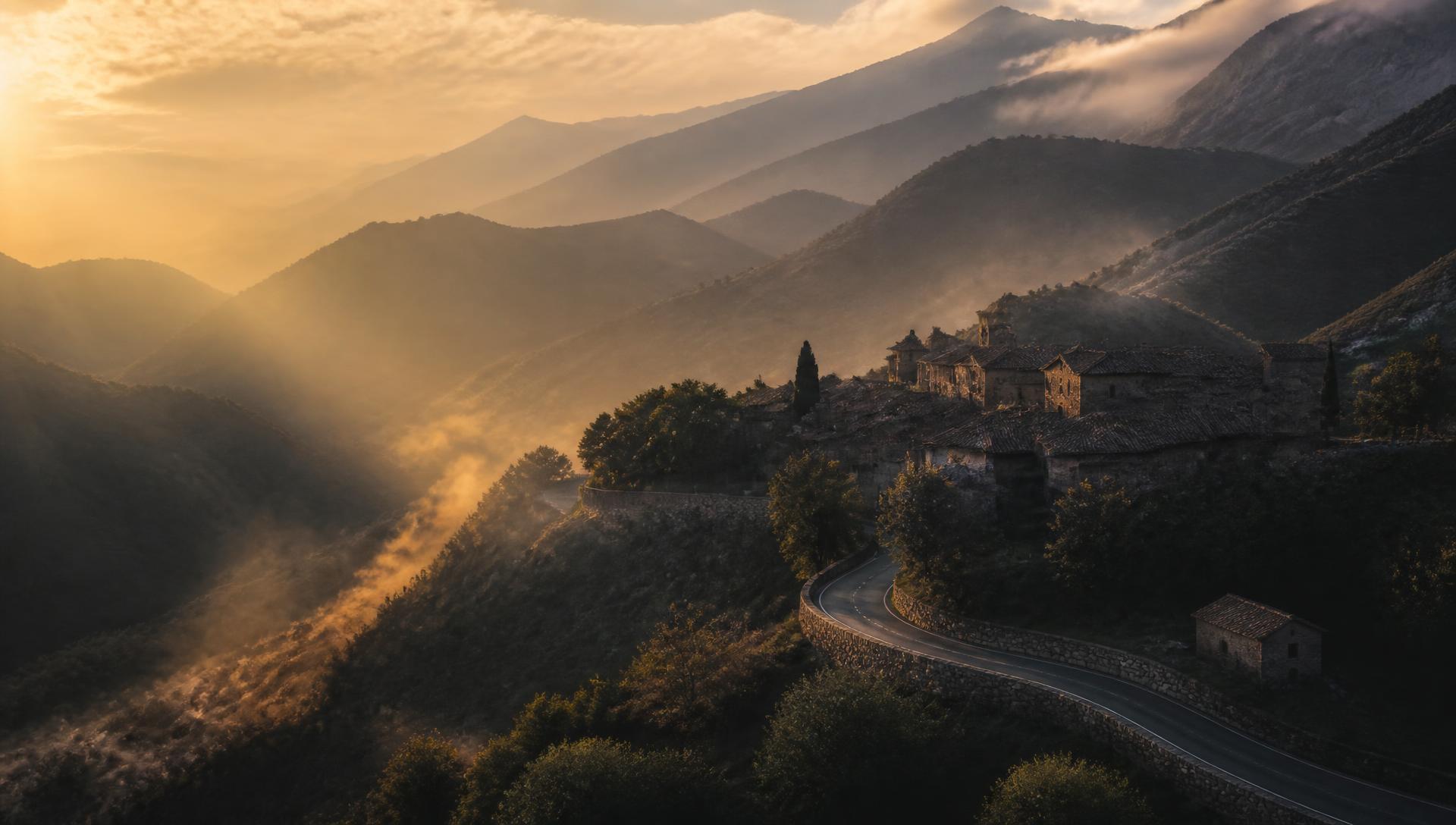
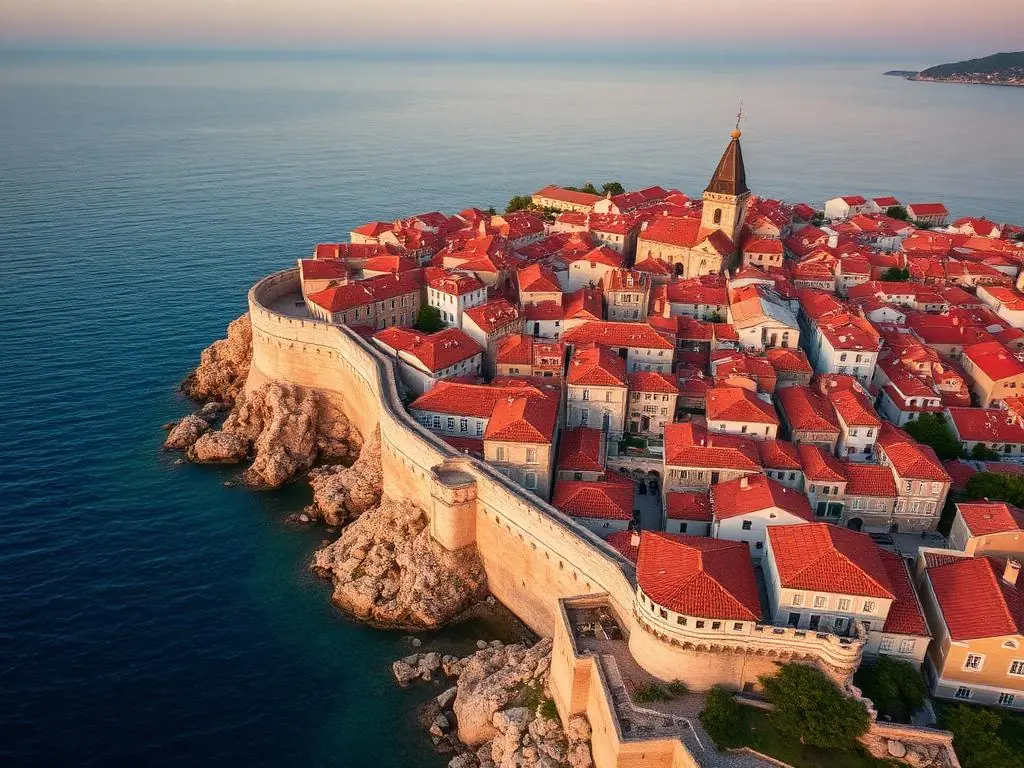
Croatia landscape

Home/Croatia

ZagrebEUR €CroatianUTC+01:00Type C/F

Plan your trip

Everything you need for Croatia, step by step

Tap a stage of your trip — we'll show the categories that matter right then.

Sort the paperwork, lock the flights, land already connected.

Your trip plan

Land in Croatia like you already know the place

A three-step plan from your couch to your first coffee in town. Each phase shows what locals actually use.

  1. Before you go

    1–2 weeks ahead — sort the basics from home.

  2. When you land

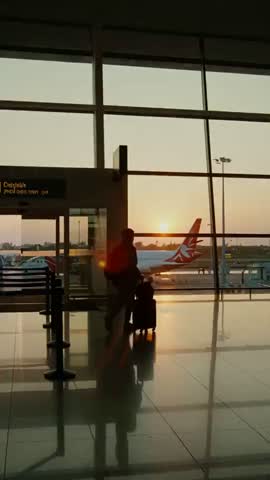
    First hour at the airport — get connected and moving.

  3. While you're there

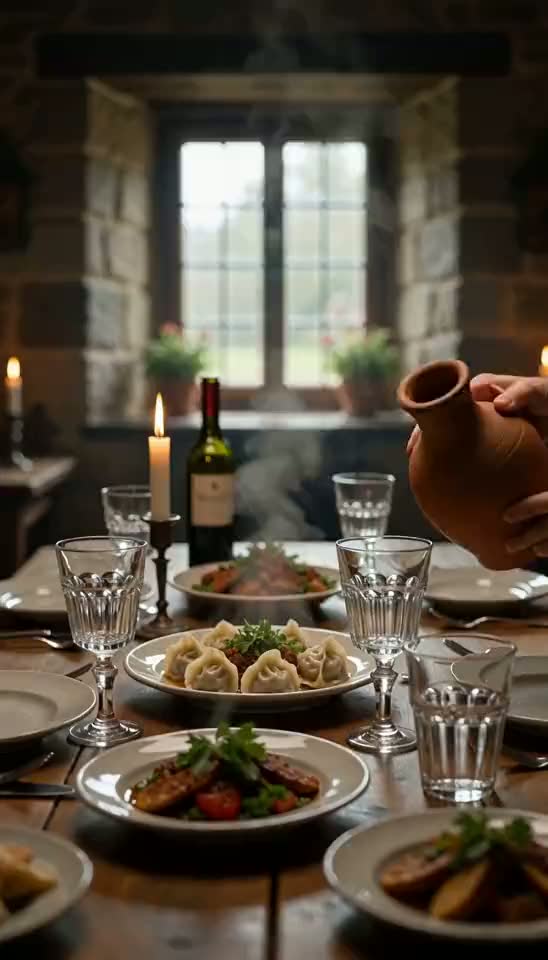
    Once you're settled — eat, explore, enjoy.

Help the next traveler — earn points

Rate apps you used, write a tip, climb the Croatia leaderboard.

See leaderboard

Essentials in Croatia

One tap to install — straight from the locals' shortlist.

Say it like a local — Croatia

Essential phrases in the local language. Tap the speaker to hear it.

About Croatia

About Croatia: Croatia is a Central European and Mediterranean country, bordering Slovenia, Hungary, Serbia, Bosnia and Herzegovina, Montenegro, and the Adriatic Sea.

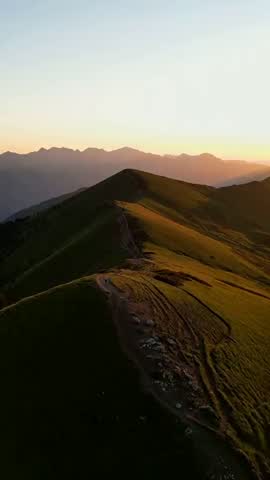
Croatia is a Central European and Mediterranean country, bordering Slovenia, Hungary, Serbia, Bosnia and Herzegovina, Montenegro, and the Adriatic Sea. Its geography ranges from the Dinaric Alps to its extensive coastline and numerous islands. This varied landscape makes it popular with a wide range of visitors, including those seeking historical sites, beach holidays, sailing, and national park exploration. Backpackers, families, and luxury travelers all find options here. The peak tourist season is July and August, when coastal areas are very crowded and more expensive. For milder weather and fewer crowds, May, June, September, and early October are generally preferable. During the winter, coastal areas are quiet, while Zagreb and the interior maintain a more consistent local rhythm. Croatia is generally considered a mid-range to high-end travel destination. Accommodation and dining in popular coastal cities and islands, especially during peak season, can be pricey, comparable to Western European standards. However, inland regions and less-visited coastal towns offer more budget-friendly options. Daily expenses can vary significantly based on travel style, but a moderate budget traveler should expect to spend around €70-€120 per day, excluding significant excursions or luxury accommodations. Inter-city travel in Croatia primarily relies on bus services, which are extensive and connect most towns and cities efficiently. Major coastal cities are also linked by ferries, particularly to the islands, with Jadrolinija being the primary operator. For longer distances, trains operate but are generally slower and less comprehensive than the bus network, especially along the coast. Within cities, public transport includes buses and trams in larger centers like Zagreb. Ride-sharing apps such as Bolt are available in bigger cities. Regarding payments, Croatia uses the Euro (€). Credit and debit cards are widely accepted in most establishments, including supermarkets, restaurants, and hotels, particularly in tourist areas. However, it's advisable to carry some cash for smaller purchases, local markets, or in more remote villages where card machines may be unavailable or unreliable. ATMs are readily accessible. Tipping is customary but not obligatory. For good service in restaurants, rounding up the bill or leaving 5-10% is common. For taxi drivers, rounding up is sufficient. SIM cards are easily purchased from mobile providers like HT, A1, or Telemach, often available at kiosks, post offices, or provider stores. eSIMs are becoming more available. Driving in Croatia requires familiarity with local road signs and parking regulations. Roads are generally well-maintained, but some coastal and island roads can be narrow and winding. Parking in popular areas, especially during summer, can be challenging and expensive. Parking via SMS is common. The official language of Croatia is Croatian. While English proficiency is generally high in tourist areas, especially among younger generations, knowing a few basic Croatian phrases can be appreciated. In less tourist-focused regions, English might be less common. Croatia is very safe for travelers, with low crime rates. Standard precautions against petty theft, particularly in crowded tourist spots, are always sensible. Tap water is safe to drink throughout Croatia. A quirky aspect might be the slower pace of life, especially outside of peak tourist season or major cities; things might close earlier, or service might be unhurried compared to some other European countries. Opening hours for shops and businesses can vary, with many smaller shops closing for an afternoon siesta, particularly in hotter months, and often closing earlier on Saturdays and remaining closed on Sundays. Weather can be extreme; summers are hot and dry, especially along the coast, often exceeding 30°C, while winters in the interior can be cold with significant snowfall, and the coastal areas experience milder but sometimes windy winters. There are no notable common scams specifically targeting tourists beyond general travel cautions. Be aware that the siesta culture can impact planning activities and shopping during the midday hours, particularly in smaller towns.

Browse by category

Every category that locals in Croatia use day-to-day.

Some links may be affiliate or partner links. We may earn a commission at no extra cost to you.