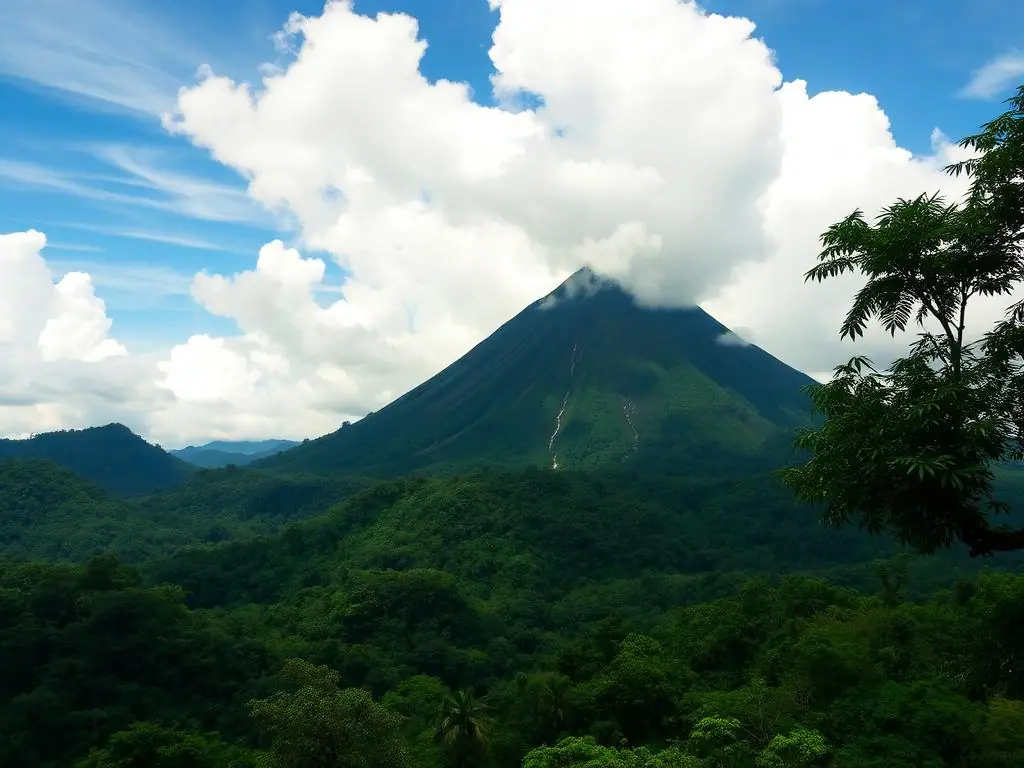
Costa Rica landscape

Home/Costa Rica

San JoséCRC ₡SpanishUTC-06:00Type A/B

Plan your trip

Everything you need for Costa Rica, step by step

Tap a stage of your trip — we'll show the categories that matter right then.

Sort the paperwork, lock the flights, land already connected.

Your trip plan

Land in Costa Rica like you already know the place

A three-step plan from your couch to your first coffee in town. Each phase shows what locals actually use.

  1. Before you go

    1–2 weeks ahead — sort the basics from home.

  2. When you land

    First hour at the airport — get connected and moving.

  3. While you're there

    Once you're settled — eat, explore, enjoy.

Help the next traveler — earn points

Rate apps you used, write a tip, climb the Costa Rica leaderboard.

See leaderboard

Essentials in Costa Rica

One tap to install — straight from the locals' shortlist.

Say it like a local — Costa Rica

Essential phrases in the local language. Tap the speaker to hear it.

About Costa Rica

About Costa Rica: Costa Rica is a Central American nation bordered by Nicaragua to the north and Panama to the south.

Costa Rica is a Central American nation bordered by Nicaragua to the north and Panama to the south. It is known for its extensive protected wilderness, diverse ecosystems, and commitment to ecotourism. The country attracts travelers seeking nature-based experiences, including wildlife viewing, hiking, surfing, and adventure sports. It is a popular destination for families, backpackers, and those interested in sustainable travel. The dry season, from December to April, offers the sunniest weather and is generally considered the best time to visit, though the green season (May to November) presents lush landscapes and fewer crowds. Costa Rica is a relatively expensive destination compared to other Central American countries, with costs for accommodation, tours, and transportation often comparable to parts of North America or Europe. Budget travelers can find more affordable options, but a moderate budget is recommended for a comfortable experience. Getting around Costa Rica involves various modes of transport. Intercity travel often utilizes shuttle services, both shared and private, particularly for popular tourist routes. Local buses offer a more budget-friendly but slower alternative. Ride-hailing apps like Uber and Didi operate in larger urban areas such as San José, but are less common or unavailable in rural regions. Taxis are widely available. Within cities, walking is feasible in smaller towns, while larger ones may require short taxi or ride-hailing trips. Credit cards are widely accepted in hotels, larger restaurants, and supermarkets, especially in tourist areas. However, cash (Costa Rican colones) is essential for smaller purchases, local markets, and public buses. Tipping is generally expected in restaurants, where a 10% service charge is often automatically added to the bill; additional tipping is at your discretion. For tour guides and drivers, a gratuity is appreciated. SIM cards for local providers like Kolbi, Claro, or Movistar are readily available at the airport or official stores; ensure your phone is unlocked. eSIMs are also increasingly supported by these providers. Driving in Costa Rica can be challenging due to varying road conditions; some roads, particularly to national parks or remote areas, may be unpaved, steep, or require a 4x4 vehicle, especially during the rainy season. Car rental is common, but be aware of insurance requirements and local driving habits. The official language of Costa Rica is Spanish. While English is commonly spoken in tourist-heavy areas and by those working in tourism, knowing some basic Spanish phrases will enhance your experience, especially outside major tourist hubs. Safety is a concern, as minor theft and pickpocketing can occur, particularly in crowded areas or on public transport; it's advisable to be aware of your surroundings and avoid displaying valuables. Tap water is generally considered safe to drink in most urban and tourist areas, but it's prudent to confirm with your accommodation or opt for bottled water in more remote regions. Regarding local customs, "Pura Vida" is a ubiquitous phrase used as a greeting, farewell, or an expression of well-being, embodying the laid-back national attitude. Business hours for shops typically run from around 9 AM to 6 PM, with many closing for a lunch break. Banks usually operate until 3 or 4 PM. Common scams might involve overcharging for taxis or unsolicited "help" at bus terminals; always confirm prices beforehand and be wary of overly friendly strangers offering assistance. Weather patterns can vary significantly between microclimates; while the coasts may be hot and humid, the central highlands can be much cooler, and sudden downpours are common during the green season, even on seemingly sunny days. Plugs are type A and B, typically 110V.

Browse by category

Every category that locals in Costa Rica use day-to-day.

Some links may be affiliate or partner links. We may earn a commission at no extra cost to you.