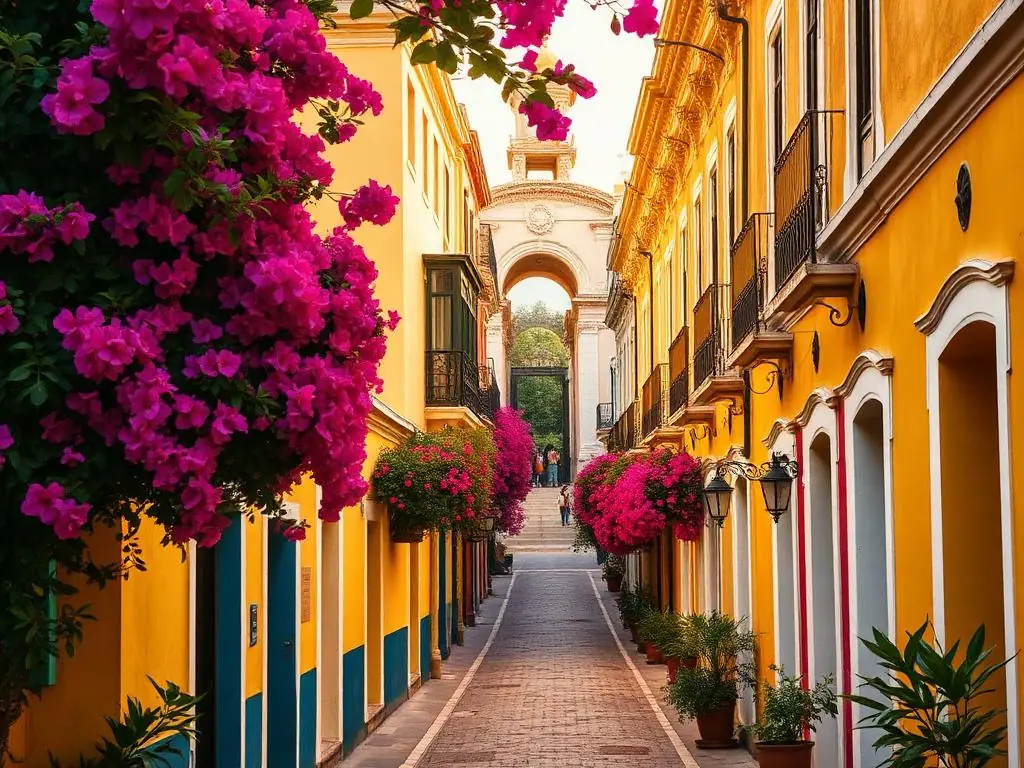
Colombia landscape

Home/Colombia

BogotáCOP $SpanishUTC-05:00Type A/B

Plan your trip

Everything you need for Colombia, step by step

Tap a stage of your trip — we'll show the categories that matter right then.

Sort the paperwork, lock the flights, land already connected.

Your trip plan

Land in Colombia like you already know the place

A three-step plan from your couch to your first coffee in town. Each phase shows what locals actually use.

  1. Before you go

    1–2 weeks ahead — sort the basics from home.

  2. When you land

    First hour at the airport — get connected and moving.

  3. While you're there

    Once you're settled — eat, explore, enjoy.

Help the next traveler — earn points

Rate apps you used, write a tip, climb the Colombia leaderboard.

See leaderboard

Essentials in Colombia

One tap to install — straight from the locals' shortlist.

Say it like a local — Colombia

Essential phrases in the local language. Tap the speaker to hear it.

About Colombia

About Colombia: Colombia is located in the northwest of South America, bordering Panama, Venezuela, Brazil, Peru, and Ecuador.

Colombia is located in the northwest of South America, bordering Panama, Venezuela, Brazil, Peru, and Ecuador. It offers diverse landscapes, from Caribbean coastlines and Amazon rainforest to Andean mountains and high-altitude plains. It's a country of tropical climates and significant biodiversity. Travelers and digital nomads are drawn to its rich cultural heritage, historical cities, coffee regions, and natural attractions. The country appeals to those seeking outdoor adventure, cultural immersion, and a lower cost of living compared to North America or Europe. The best time to visit broadly depends on the region, but generally, the dry seasons from December to March and July to August are popular for most areas. Due to its equatorial location, temperatures remain relatively consistent year-round, with variations mainly due to altitude. The cost of living and travel in Colombia is generally moderate; budget travelers can manage on $30-50 per day, while those seeking more comfort can expect to spend $70-150 daily, excluding long-haul flights. Accommodation, food, and local transportation are notably more affordable than in many Western countries. Intercity travel in Colombia primarily relies on long-distance buses, which are extensive, frequent, and cost-effective, though travel times can be long on mountainous routes. Domestic flights are also a popular option for covering greater distances quickly, with several budget airlines operating. Within cities, taxis, ride-sharing apps like Uber and Didi, and integrated public transport systems like Bogotá's TransMilenio are common. Cash, specifically Colombian pesos (COP), is essential, particularly in smaller towns, markets, and for street vendors. While credit and debit cards are accepted in major hotels, restaurants, and supermarkets in larger cities, many smaller establishments and taxis outside of apps operate on a cash-only basis. ATMs are widely available in urban centers. Tipping is customary in restaurants, usually around 10%, often added to the bill as "propina voluntaria." For other services like taxis or hotel porters, rounding up the fare or a small gratuity is appreciated. Local SIM cards are readily available from providers like Claro, Tigo, and Movistar at airports or official stores; obtaining one requires a passport. eSIM options are also increasingly supported by these carriers. Driving in Colombia can be challenging due to varying road conditions, aggressive driving styles, and a lack of clear signage in some rural areas. It's generally not recommended for short-term visitors unless embarking on a specific road trip adventure with prior experience driving internationally. The official language of Colombia is Spanish. While English proficiency is growing, especially among younger generations and in tourist-heavy areas of major cities like Bogotá, Medellín, and Cartagena, a basic understanding of Spanish is highly beneficial and often necessary for daily interactions outside of these specific contexts. Safety has improved significantly over the past decades, but visitors should still exercise caution, particularly in large cities. Petty crime, like mugging and pickpocketing, is common, so it's advisable to avoid displaying valuables, travel alone after dark, and be aware of your surroundings. Some rural areas are still best avoided due to security concerns; consult government travel advisories. Tap water is generally considered safe to drink in Bogotá and Medellín, but it's often recommended to stick to bottled water elsewhere to avoid potential stomach upset, especially for those unaccustomed to local water treatment. Local customs include a strong emphasis on politeness; greetings are important, and using "usted" (formal "you") is common. Businesses in smaller towns often have a midday siesta, closing for a few hours. Colombian timekeeping can be flexible, so don't be surprised if events or meetings start a little later than scheduled. Scams, such as inflated taxi fares or distraction thefts, occur, so confirm prices beforehand and keep belongings secure. Colombia uses Type A and B electrical outlets, the same as in North America.

Browse by category

Every category that locals in Colombia use day-to-day.

Some links may be affiliate or partner links. We may earn a commission at no extra cost to you.