Chile landscape

Home/Chile

SantiagoCLP $SpanishUTC-06:00Type C/L

Plan your trip

Everything you need for Chile, step by step

Tap a stage of your trip — we'll show the categories that matter right then.

Sort the paperwork, lock the flights, land already connected.

Your trip plan

Land in Chile like you already know the place

A three-step plan from your couch to your first coffee in town. Each phase shows what locals actually use.

  1. Before you go

    1–2 weeks ahead — sort the basics from home.

  2. When you land

    First hour at the airport — get connected and moving.

  3. While you're there

    Once you're settled — eat, explore, enjoy.

Help the next traveler — earn points

Rate apps you used, write a tip, climb the Chile leaderboard.

See leaderboard

Essentials in Chile

One tap to install — straight from the locals' shortlist.

Say it like a local — Chile

Essential phrases in the local language. Tap the speaker to hear it.

About Chile

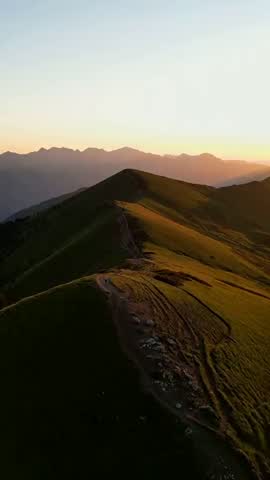
About Chile: Chile stretches along the southwestern coast of South America, a long, narrow country bordering the Andes mountains to the east and the Pacific Ocean to the west.

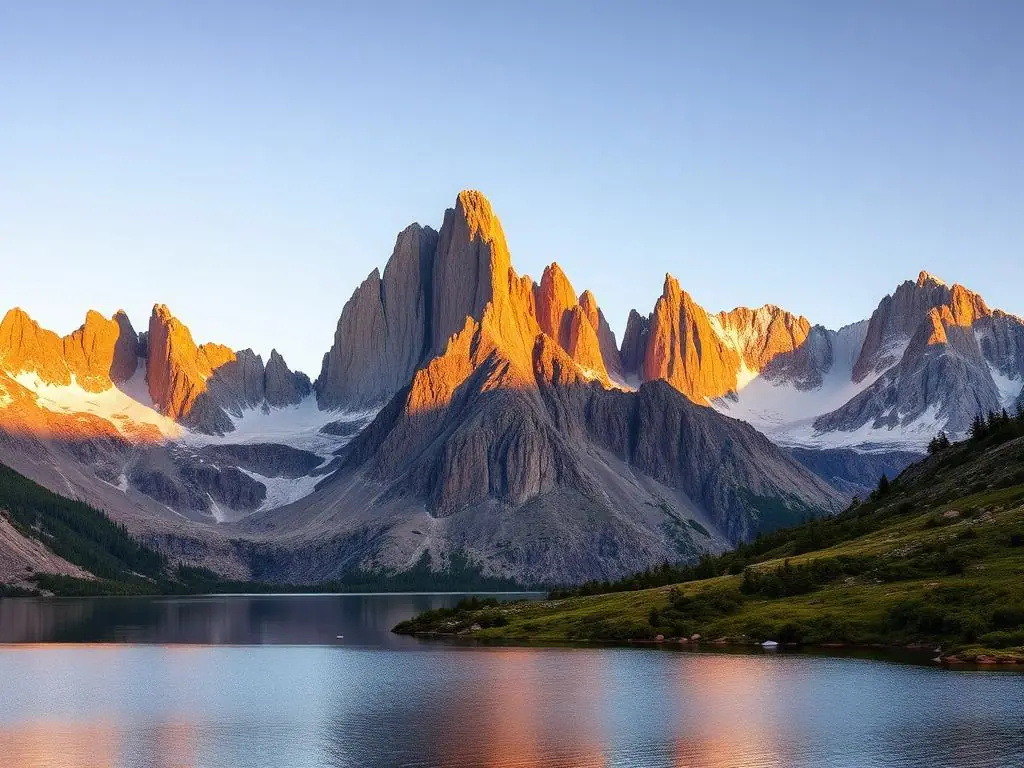
Chile stretches along the southwestern coast of South America, a long, narrow country bordering the Andes mountains to the east and the Pacific Ocean to the west. Its diverse geography spans from the arid Atacama Desert in the north, through a Mediterranean climate in the center, to alpine tundras and glaciers in Patagonia in the south. Travelers drawn to outdoor adventure, nature photography, and unique landscapes tend to visit, including backpackers, hikers, skiers, and wine enthusiasts. The best time to visit depends on the region and desired activities. Generally, the shoulder seasons of spring (September to November) and autumn (March to May) offer pleasant weather across much of the country, avoiding the peak summer crowds and winter cold. For Patagonia, summer (December to February) is ideal, while the ski season in the central Andes runs from June to September. Costs are mid-range for South America, comparable to parts of Europe or North America, especially in popular tourist areas. Budget travelers can find affordable hostels and local eateries, while luxury options are also available, particularly in Santiago and wine regions. Intercity travel in Chile primarily relies on a well-developed network of long-distance buses, which are comfortable and affordable, connecting most major towns and cities. Flights are also available for covering long distances, especially to Patagonia or the far north. Within cities, public transport includes buses and, in Santiago, a comprehensive metro system. Taxis and ride-sharing apps like Uber and Cabify are common in urban areas. Credit and debit cards are widely accepted in cities and larger towns, especially in restaurants, hotels, and supermarkets. However, cash is essential for smaller vendors, local markets, rural areas, and tipping. Tipping norms typically involve 10% for service in restaurants. For SIM cards, locals use Entel, Movistar, and Claro. eSIMs are increasingly supported by these providers, offering a convenient alternative. Driving in Chile requires an international driving permit. Roads are generally well-maintained, especially major highways, but can be challenging in mountainous or rural areas, and in Patagonia, unpaved sections are common. The main language in Chile is Spanish. While some people in tourist-heavy areas, particularly in Santiago and Patagonia, may speak basic English, it is not widely understood, and knowing some Spanish phrases is highly recommended for smooth interactions. Safety is generally good, though petty crime like pickpocketing can occur in crowded tourist areas and on public transport, particularly in Santiago. Always be aware of your surroundings and avoid displaying valuables. Tap water is typically safe to drink in most major cities and towns, but in some rural areas or if you have a sensitive stomach, bottled water is a safer option. A notable quirk is the Chilean schedule: lunch is often the largest meal and eaten later, typically between 1 pm and 3 pm, with dinner a lighter affair around 8 pm or 9 pm. Shops generally open around 10 am and close around 8 pm, with a siesta period sometimes observed in smaller towns. Be prepared for significant weather variations; due to its length, Chile can experience extreme heat in the north and cold in the south simultaneously. Common scams include "the spilled drink" distraction in busy areas.

Browse by category

Every category that locals in Chile use day-to-day.

Some links may be affiliate or partner links. We may earn a commission at no extra cost to you.