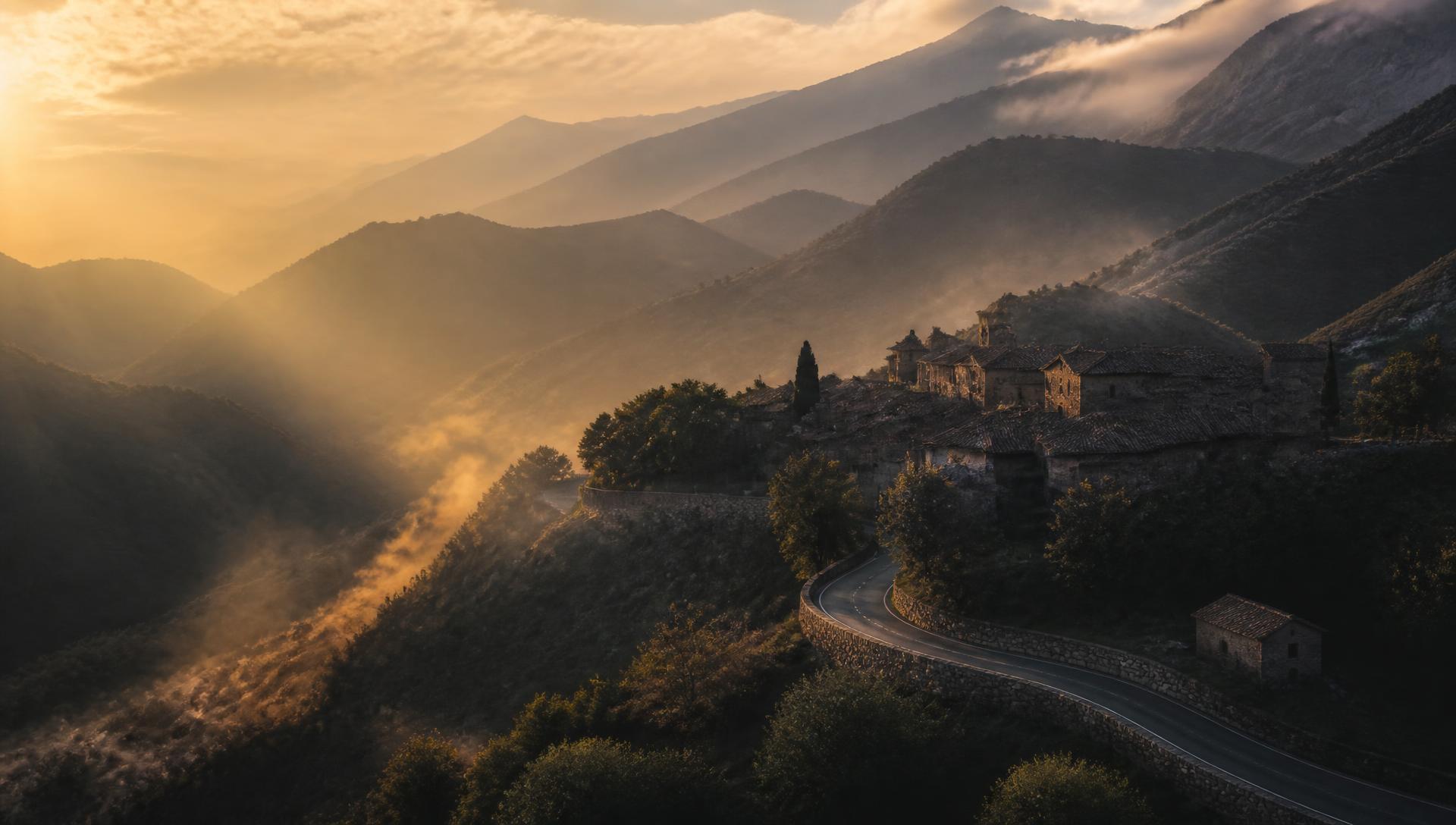
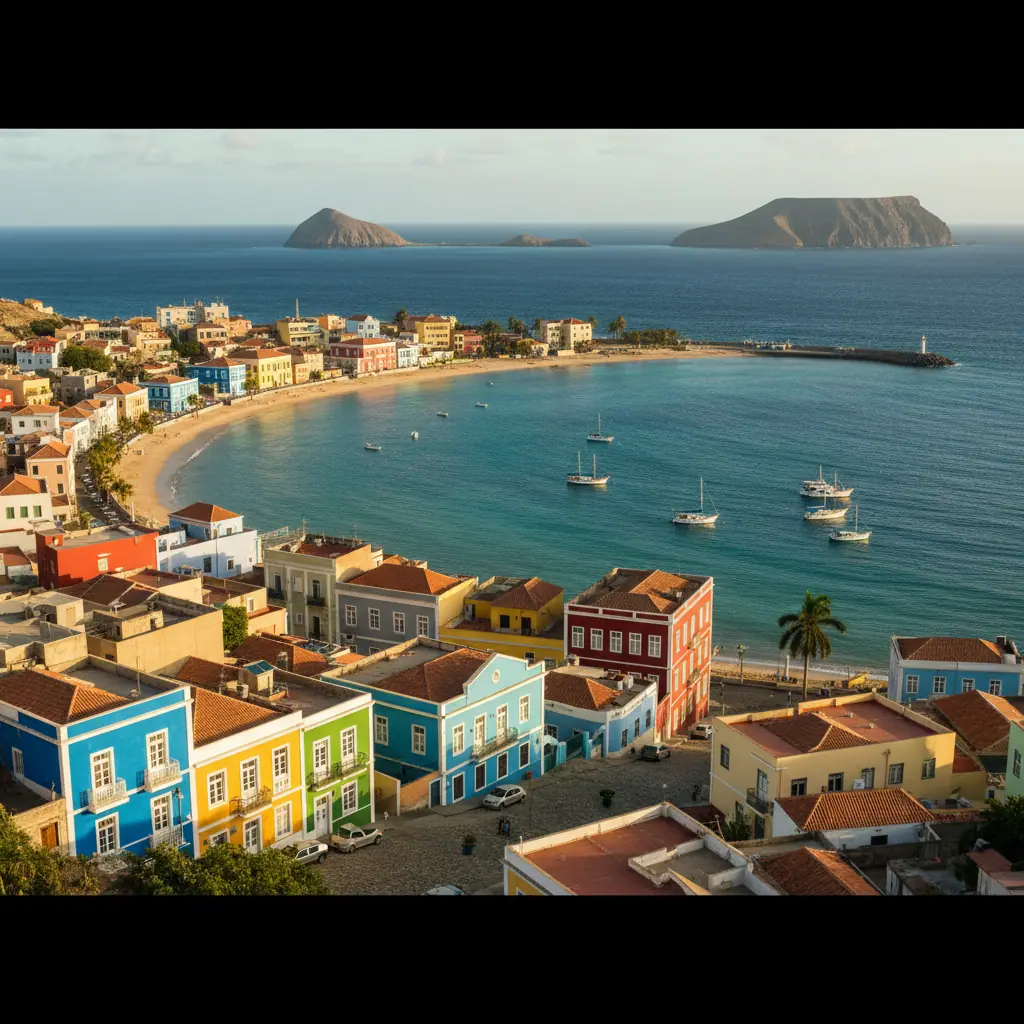
Cape Verde landscape

Home/Cape Verde

PraiaCVE EscPortugueseUTC-01:00Type C/F

Plan your trip

Everything you need for Cape Verde, step by step

Tap a stage of your trip — we'll show the categories that matter right then.

Sort the paperwork, lock the flights, land already connected.

Your trip plan

Land in Cape Verde like you already know the place

A three-step plan from your couch to your first coffee in town. Each phase shows what locals actually use.

  1. Before you go

    1–2 weeks ahead — sort the basics from home.

  2. When you land

    First hour at the airport — get connected and moving.

  3. While you're there

    Once you're settled — eat, explore, enjoy.

Help the next traveler — earn points

Rate apps you used, write a tip, climb the Cape Verde leaderboard.

See leaderboard

Essentials in Cape Verde

One tap to install — straight from the locals' shortlist.

Say it like a local — Cape Verde

Essential phrases in the local language. Tap the speaker to hear it.

About Cape Verde

About Cape Verde: Cape Verde is an archipelago nation situated in the central Atlantic Ocean, about 570 kilometers off the coast of West Africa.

Cape Verde is an archipelago nation situated in the central Atlantic Ocean, about 570 kilometers off the coast of West Africa. It comprises ten volcanic islands, nine of which are inhabited. The country is known for its diverse landscapes, ranging from volcanic mountains and arid plains to lush valleys and stunning beaches. It attracts a mix of travelers, including those seeking beach holidays, water sports enthusiasts, hikers, and those interested in Creole culture and music. Digital nomads are increasingly drawn to its relaxed pace and improving connectivity. The best time to visit is typically between November and June, when the weather is warm and dry, avoiding the rainy season and the hottest months. Cape Verde is generally considered a moderately-priced destination. While not as expensive as some European countries, it is not a budget destination either, especially when considering inter-island travel and imported goods. Daily costs for accommodation, food, and activities can vary significantly depending on the island and travel style, with Sal and Boa Vista generally being more expensive due to their developed tourism infrastructure. Inter-island travel in Cape Verde is primarily by domestic flights or ferries. Flights are the quickest way to move between distant islands like Santiago, Sal, and São Vicente, but they can be costly and occasionally subject to delays. Ferries offer a more economical alternative for shorter distances or between closer islands, though schedules can be irregular and sea conditions sometimes rough. Within cities and on islands, aluguers (shared minibusses or taxis) are a common and affordable mode of transport. Taxis are also readily available, particularly in tourist areas and major towns, and fares should be negotiated or confirmed before starting the journey. Ride-hailing apps are available in the capital, Praia. While larger hotels and restaurants in tourist hubs accept credit cards, cash, specifically Cape Verdean Escudos (CVE), is essential for smaller purchases, local markets, and public transport. ATMs are available in most towns. Tipping is appreciated but not mandatory; rounding up fares or leaving a small amount in restaurants is common. For connectivity, local SIM cards are widely available from providers like Unitel T+ and CV Móvel, offering affordable data plans. eSIMs are also an option for compatible devices. Driving is on the right. Road conditions vary; while main roads are generally maintained, many others are unpaved, particularly in rural areas. A valid international driving permit is usually required for tourists. The official language of Cape Verde is Portuguese, but the most widely spoken language is Cape Verdean Creole (Kriolu), a Portuguese-based creole. In tourist areas, especially on Sal and Boa Vista, many locals involved in tourism will have a decent command of English, French, or German. Outside these areas, English proficiency can be limited. Cape Verde is generally a safe country with a low crime rate compared to many other destinations. However, petty crime, such as pickpocketing and bag snatching, can occur, particularly in crowded areas, markets, and in the capital, Praia. It’s advisable to take standard precautions like avoiding walking alone at night in poorly lit areas and securing valuables. Tap water is generally not safe to drink without boiling or filtering; bottled water is widely available and recommended for consumption. Opening hours for shops and businesses often follow a siesta tradition, with many establishments closing in the early afternoon and reopening in the late afternoon. ATMs can be unreliable, especially on smaller islands, so it's wise to carry sufficient cash. Weather-wise, the archipelago experiences a hot, dry climate. While generally pleasant, strong winds can occur, particularly from December to February, and dust from the Sahara (Harmattan wind) can reduce visibility and air quality during these months. The rainy season, typically from August to October, can bring heavy but short downpours, which may affect travel plans or road conditions.
Map ready when in view
Cape VerdeOpen in Google Maps ↗

Browse by category

Every category that locals in Cape Verde use day-to-day.

Some links may be affiliate or partner links. We may earn a commission at no extra cost to you.